

Choosing the right type of rice can make a bigger difference to your meal than most people realise.
From fluffy everyday sides to creamy dishes and sticky textures, each variety behaves differently once it hits the pot, and knowing which one to use can save a lot of guesswork in the kitchen.
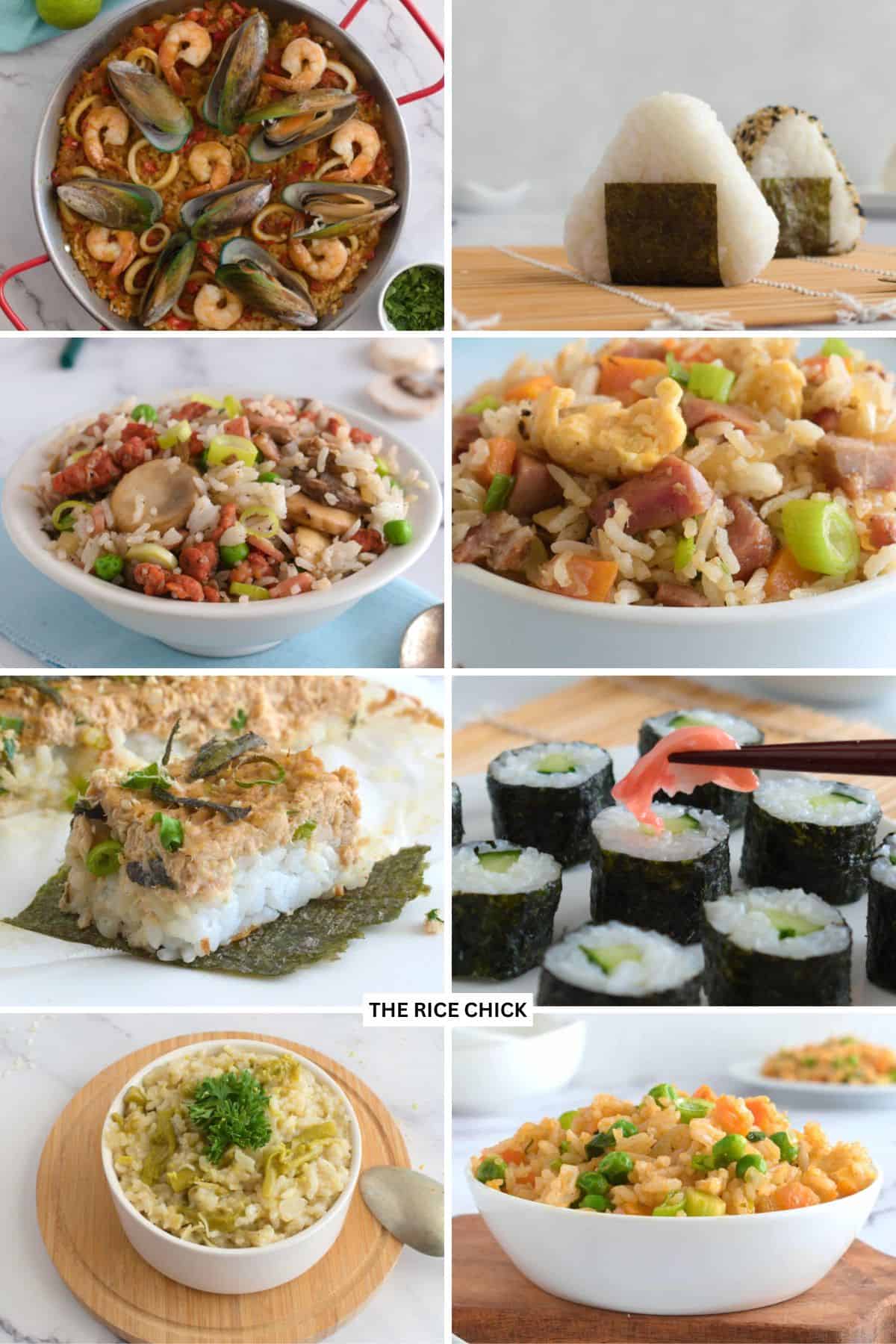
Table of Contents
Rice might seem interchangeable at first glance, but different types behave in very specific ways once cooked.
How to choose the right type of rice depends on grain length, starch content, and intended dish. Long-grain rice such as basmati and jasmine is best for fluffy side dishes, while short-grain and arborio rice are used for creamy or sticky recipes.
Some types stay light and separate, others become soft and creamy, and some are naturally sticky without much effort. This is why the same cooking method can lead to very different results depending on the rice you choose.
Understanding which type of rice works best for a particular dish helps you avoid common frustrations like mushy textures or dry, uneven grains. It also makes everyday cooking easier because you are not relying on trial and error each time you cook.
This guide focuses on helping you choose the right type of rice based on how you plan to use it, whether that is for simple side dishes, rich mains, or flavour-packed recipes.
If you want a deeper breakdown of each variety on its own, you can explore types of rice for a more detailed overview of individual rice categories.
Why choosing the right rice matters in cooking
Choosing the right type of rice is not just about variety, it directly affects how your meal turns out. Even when the cooking method stays the same, different rice types can produce completely different textures, from light and separate grains to soft, sticky, or creamy results.
This is why rice sometimes feels inconsistent, even when you follow the same steps. The grain itself plays a big role in how much water it absorbs, how it holds its shape, and how it interacts with other ingredients on the plate.
In everyday cooking, this matters most when you are trying to match rice with a specific dish.
A fluffy, separate grain works well when rice is meant to sit alongside a main meal, while softer or starchier rice works better when it is meant to absorb flavour or become part of a richer dish.
Understanding this helps you avoid common frustrations like mushy rice or dry, uneven texture, not by changing your method every time, but by starting with the right grain for the result you want.
Once this becomes clear, cooking rice feels less like guesswork and more like choosing the right tool for the job.
Then you might like to use how to season white rice when you want to improve flavour to your rice.

How Different Rice Types Are Used In Cooking
Instead of thinking about rice only in categories, it helps to think about what you actually want the rice to do on the plate.
The same type of rice can feel completely different depending on whether it is being used as a simple side, a base for saucy dishes, or part of a more structured recipe.
Some rice types work best when you want the grains to stay separate and light. This is usually what you want when the rice is sitting next to a main dish rather than absorbing it. In these cases, the texture should feel clean and distinct rather than soft or sticky.
Other rice types naturally absorb more liquid during cooking, which creates a softer result. This works well in dishes where the rice is expected to carry flavour or blend into sauces rather than stay separate on the plate.
There are also rice types that are chosen specifically for how they behave during longer cooking or stirring. These are often used when texture is meant to become part of the dish itself rather than just a side component.
To make this easier to apply in everyday cooking, here is a simple way to think about common rice types in context:
- Basmati rice works best when you want light, separate grains that sit neatly alongside curries, grilled proteins, or saucy dishes without soaking everything in
- Jasmine rice is a good choice when you want slightly softer grains with a subtle aroma, often used in everyday meals where a bit more texture and fragrance is welcome
- Arborio rice is used when the goal is a creamy, rich texture that develops as it cooks and releases starch, especially in dishes where stirring is part of the process
- Parboiled rice holds its shape well and is useful when you want firmer grains that do not break down easily, even after reheating or longer cooking
- Brown rice has a firmer, chewier texture and is often chosen when you want something more substantial and higher in fibre compared to white rice
If you want a deeper breakdown of each variety on its own, you can explore types of rice for more detailed characteristics and differences.

Dietary and substitution considerations
Some rice-related choices also come down to dietary needs or ingredient availability. In these cases, understanding substitutes or basic dietary suitability can help when deciding what to use.
For example, if you are missing a specific rice type, arborio rice substitutes can help you find alternatives that still work for creamy or risotto-style dishes.
For dietary concerns, questions like is rice gluten free, is basmati rice gluten free, and is brown rice gluten free are common when choosing rice for specific eating preferences or restrictions.
These considerations do not change how rice is cooked, but they can influence which type you choose before you even start preparing a meal.

Rice in other cuisines and preparations
Rice is also central to a variety of dishes and food traditions where it plays a supporting or structural role rather than being served on its own. This is seen in fried rice recipes.
In sushi preparation, rice is used as the foundation for different styles such as maki, nigiri, and futomaki, where texture and seasoning play an important role in the final result.
If you want to explore this further, you can learn more about what is sushi wrapped in and how sushi rice contributes to flavour and structure, or read about what does sushi taste like for a better understanding of the overall experience.
Rice also appears in other food traditions beyond savory dishes. For example, what is mochi and what is mochiko explore how rice is used in sweet, dessert-style preparations where texture and starch behave differently compared to regular cooking rice.

FAQ
For most everyday meals, long grain rice such as basmati is a reliable choice because it stays light, fluffy, and separate after cooking. It works well as a base for a wide range of dishes.
No, they are different varieties. Jasmine rice is slightly softer and more aromatic, while basmati rice tends to be lighter and more separate when cooked. Each works best in different types of dishes.
Short grain rice or arborio rice is usually preferred for creamy dishes because it releases more starch during cooking, which creates a naturally rich texture.
In some cases, yes, but the texture of the final dish will change. Substitutions work best when you understand how each rice behaves rather than expecting identical results.
You can explore types of rice for a breakdown of how common varieties differs and when to use them.

Stay Connected
Tried one of these rice recipes or found a new favorite? I'd love to hear how it turned out. Leave a comment below and share your tips, swaps, or go-to rice dish.
Save this page on Pinterest so it's easy to find again when you need rice ideas for dinner, meal prep, or special occasions.
Made something delicious? Share your results on Instagram and tag @thericechick so we can see what you created and celebrate your kitchen wins.


Comments
No Comments