

Creamy, rich, and built slowly in one pan, risotto turns simple rice into a restaurant-style dish with just technique and patience.
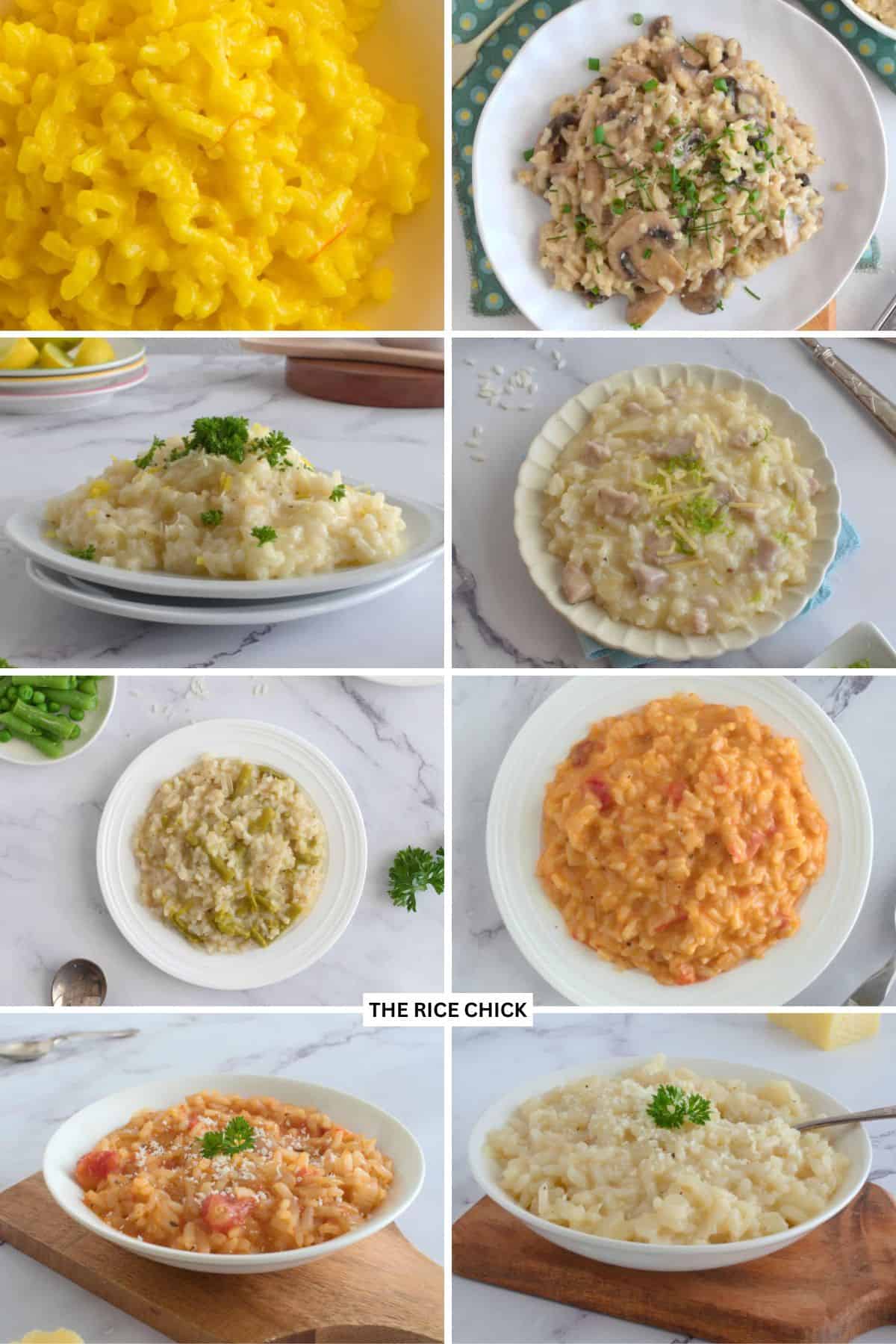
Table of Contents
Unlike most rice dishes that are simply boiled or steamed, risotto is built gradually as liquid is added in stages and absorbed during cooking. This slow method encourages the rice to release starch, creating its signature creamy texture without needing cream.
It is a dish that depends more on process than ingredients, where timing and stirring shape the final result as much as flavor does. Once you understand the method, risotto becomes a flexible base that can be adapted with vegetables, seafood, chicken, or simple seasonings.
This guide breaks down how risotto works and how different variations are built using the same core technique.
For more rice cooking styles, or ideas on the types of rice, you can also explore rice recipes for everyday dishes, rice bowls for meal-based ideas, or sushi for another technique-focused approach to rice preparation.
What Makes Risotto Different
Risotto stands out from other rice dishes because of the way it is cooked rather than the ingredients themselves. Instead of being boiled all at once, the rice is cooked slowly while warm liquid is added gradually and absorbed over time.
This method changes how the rice behaves as it cooks. The grains release starch little by little, which is what creates the creamy texture risotto is known for. Stirring during the process helps distribute that starch and guides the final consistency.
If you want a simple overview of the dish itself, what is risotto made of breaks down the core ingredients and explains how such a basic combination can create something so rich and layered. Or check out the best rice for risotto, for more details on the type of rice to use.
The type of rice used is also important. Short-grain varieties are preferred because they hold structure while still releasing enough starch during cooking. This is explored further in arborio rice recipes, which show how this rice performs across different risotto styles and preparations.
For a more practical entry point into the method, easy risotto recipes demonstrate how this technique is applied in simple, approachable versions of the dish.

How Risotto Becomes Creamy
The creamy texture in risotto is not created by cream or butter alone, but by the way the rice releases starch during slow cooking.
As warm liquid is added gradually, the rice absorbs it bit by bit while softening and releasing starch into the surrounding liquid.
This is what naturally thickens the dish and creates that smooth, velvety consistency. The key is patience, since adding liquid too quickly or skipping the gradual process can change the texture completely.
For a closer look at the full cooking method, how to make a risotto walks through the process step by step and shows how timing affects the final result.
The type of rice used also plays a big role in how creamy the dish becomes. Short-grain varieties are ideal because they balance structure with starch release.

Flavor Variations And Risotto Styles
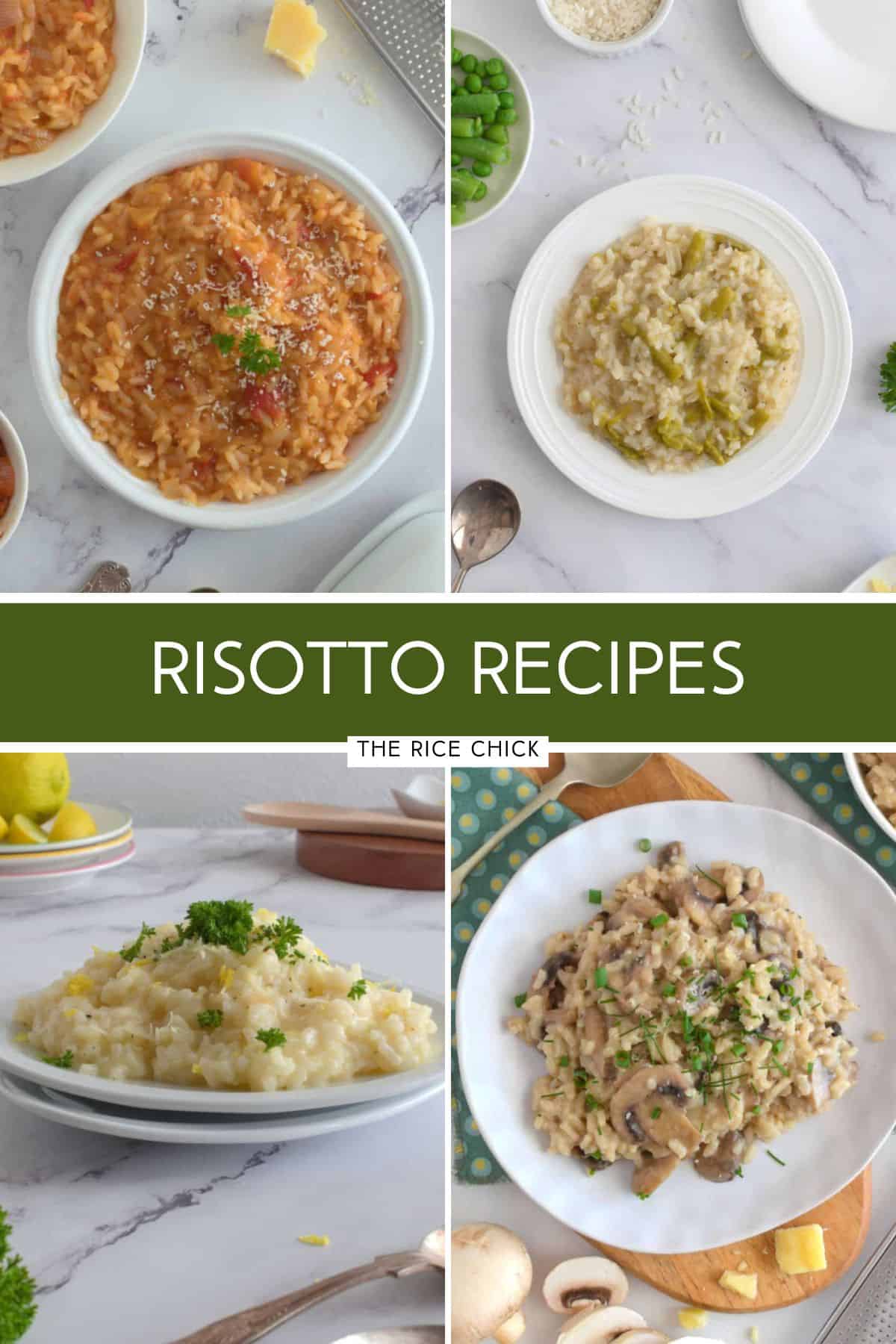
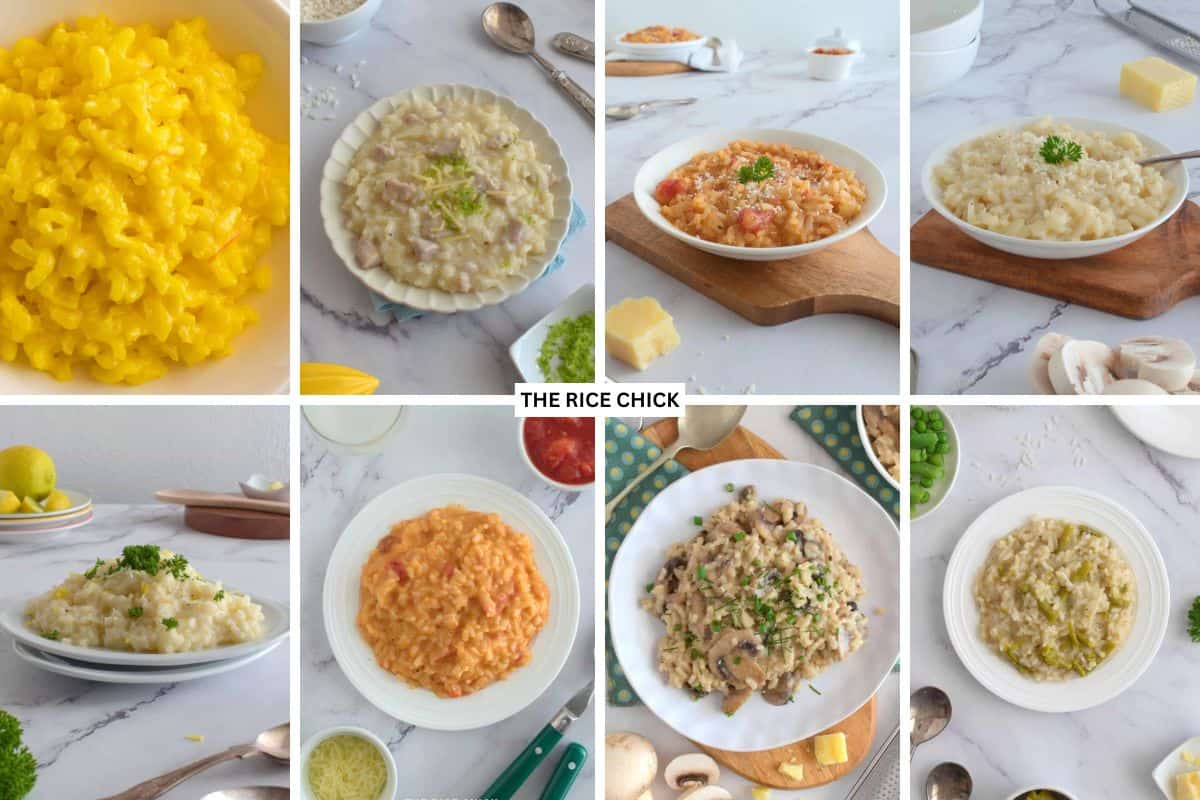
Once you understand the basic technique, risotto becomes a very flexible dish that can shift easily depending on the ingredients added. The same cooking method can create light, fresh versions or richer, more comforting meals depending on the flavor direction.
Citrus based versions like risotto al limone and lemon asparagus risotto bring a lighter, brighter feel, while combinations such as asparagus risotto recipe or asparagus mushroom risotto lean more towards earthy, vegetable-driven flavors.
For something more comforting, chicken risotto recipes and lemon chicken risotto recipe turn the dish into a full meal with added protein while still keeping the creamy base.

There are also more traditional and regional-style versions such as risotto ai funghi, which highlights mushrooms as the main flavor, and risotto zafferano, which focuses on saffron for colour and depth.
Tomato-based variations like risotto marinara and tomato and mascarpone risotto show how the same base technique can shift into richer, more sauce-like flavors.
For smaller portions or simpler meals, risotto for one shows how the same method can be scaled down without changing the core process.

What To Use Instead Of Stock In Risotto?
If you don't have stock, you can use water as a substitute, but you'll need to enhance the flavor with other ingredients.
Adding a splash of white wine, extra seasoning, and aromatics like onions, garlic, and herbs can help compensate for the lack of stock.
You can also use bouillon cubes or granules dissolved in water as an alternative. For a richer taste, consider using vegetable, chicken, or beef broth if available.
FAQ
Short-grain rice varieties, like arborio, are best for risotto because they release starch during cooking while still holding their shape, creating a creamy texture.
This depends on the recipe, but in general no. Risotto gets its creamy texture from the starch released by the rice during slow cooking, not from cream.
Risotto is more about technique than difficulty. It requires attention while cooking, but the process is simple once you understand how liquid absorption works.
Stirring helps release starch from the rice and keeps the texture smooth and evenly creamy as the liquid is absorbed.
Yes, risotto is highly adaptable and can be made with vegetables, chicken, seafood, herbs, or simple seasonings while using the same cooking method.
Stay Connected
Tried one of these rice recipes or found a new favorite? I'd love to hear how it turned out. Leave a comment below and share your tips, swaps, or go-to rice dish.
Save this page on Pinterest so it's easy to find again when you need rice ideas for dinner, meal prep, or special occasions.
Made something delicious? Share your results on Instagram and tag @thericechick so we can see what you created and celebrate your kitchen wins.


Comments
No Comments