
Soft, chewy, and endlessly adaptable, mochi has grown from a traditional rice treat into a wide range of desserts, from baked goods to filled and frozen variations.
Jump to:
Mochi is a rice-based dessert made from glutinous rice or rice flour that creates a distinct chewy texture unlike most other sweets.
While it has traditional roots, it has evolved into a modern dessert category that spans baked goods, frozen treats, and creative flavour variations.
Today, mochi appears in many different forms, from simple filled versions to baked muffins, cookies, and even hybrid desserts that combine Western baking styles with its signature texture. This variety is what makes mochi one of the most flexible rice-based dessert categories.
This guide breaks mochi into its main types, from traditional forms through to baked and modern interpretations, so you can explore how each variation fits into the wider dessert landscape.
For more sweet rice ideas beyond chewy desserts, you can also explore the wider rice desserts collection or look at rice recipes for other ways rice is used in sweet and savoury cooking.
Traditional And Classic Mochi
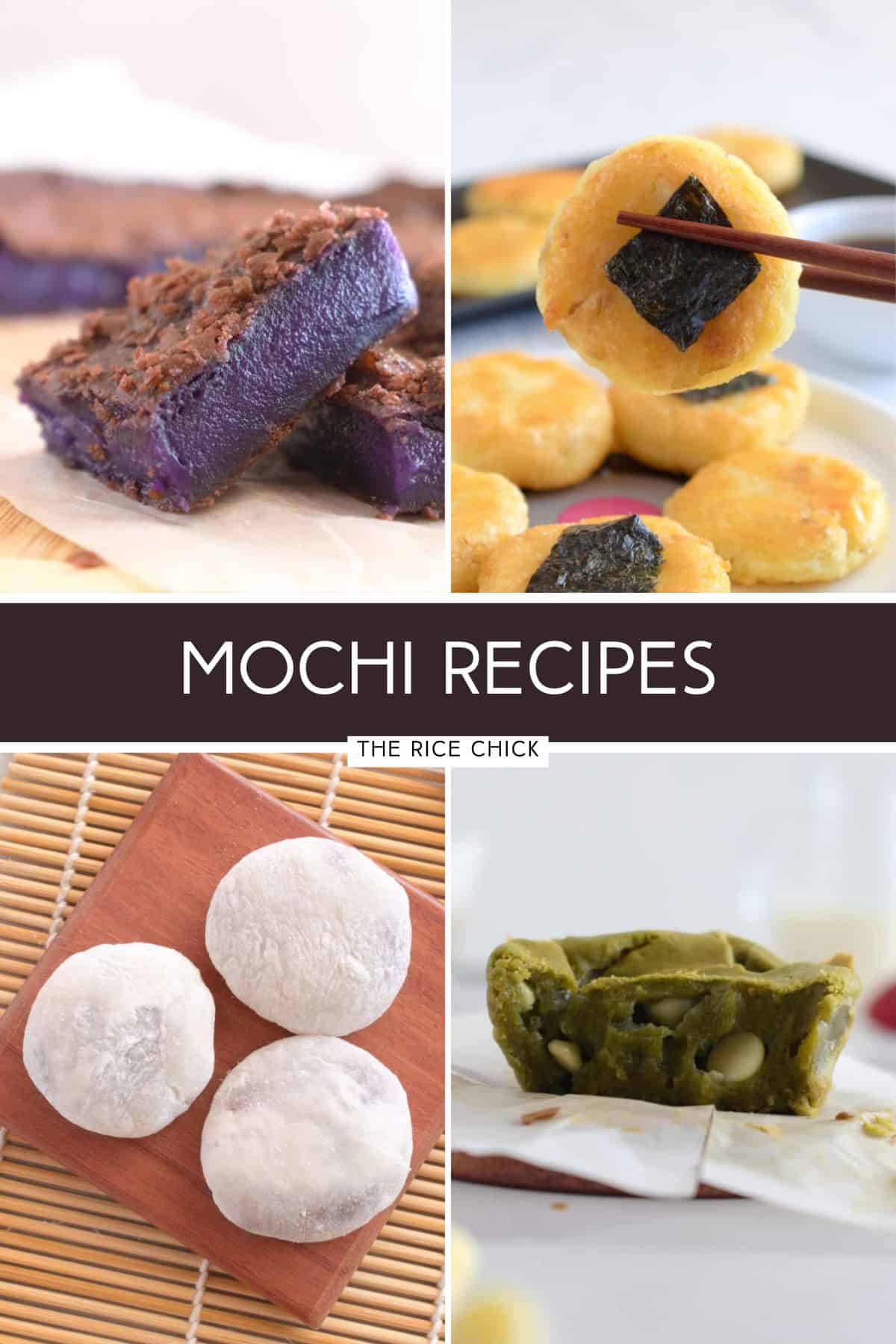
Traditional mochi is where everything starts, built around the signature chewy texture made from glutinous rice or rice flour. This base is what defines mochi and separates it from other rice desserts that are creamy, baked, or crisp.
If you want to explore different ways it's used in desserts, mochi recipes brings together a variety of ideas and flavour directions, showing how flexible the base can be across different styles.
One of the most popular modern versions is mochi ice cream, where a soft, chewy layer wraps around a frozen filling. It's a simple idea, but the contrast in texture is what makes it so widely loved.
For a more detailed breakdown of that concept, what is mochi ice cream explains how it works, while ice cream mochi recipes show how it can be made at home using the same chewy base.

Baked Mochi Desserts And Modern Hybrids
Mochi doesn't just stay in its traditional form - it also works surprisingly well in baked desserts, where the same chewy texture shows up in cakes, donuts, and other oven-baked treats.
The result is something that sits between a classic dessert and something a bit more playful.
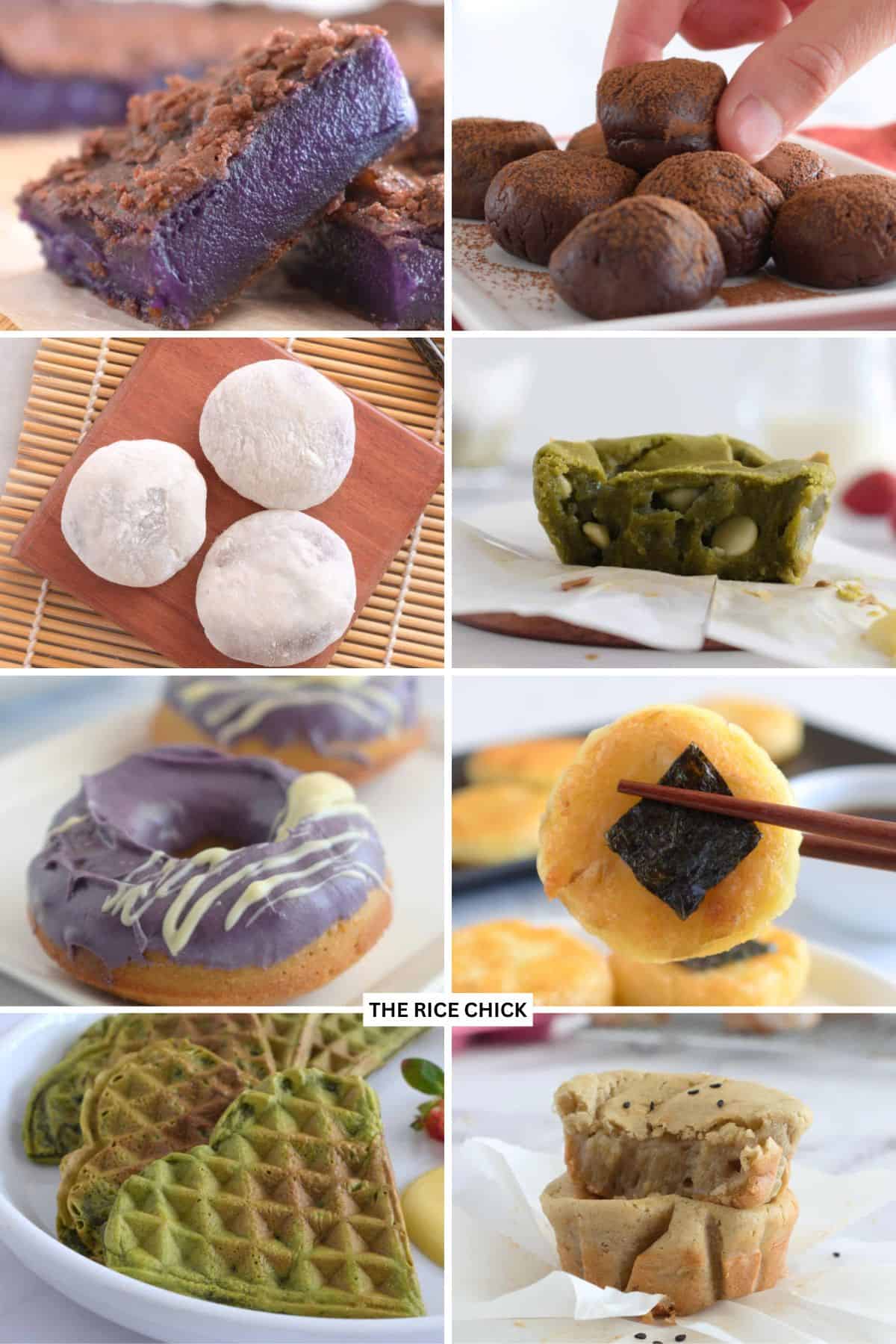
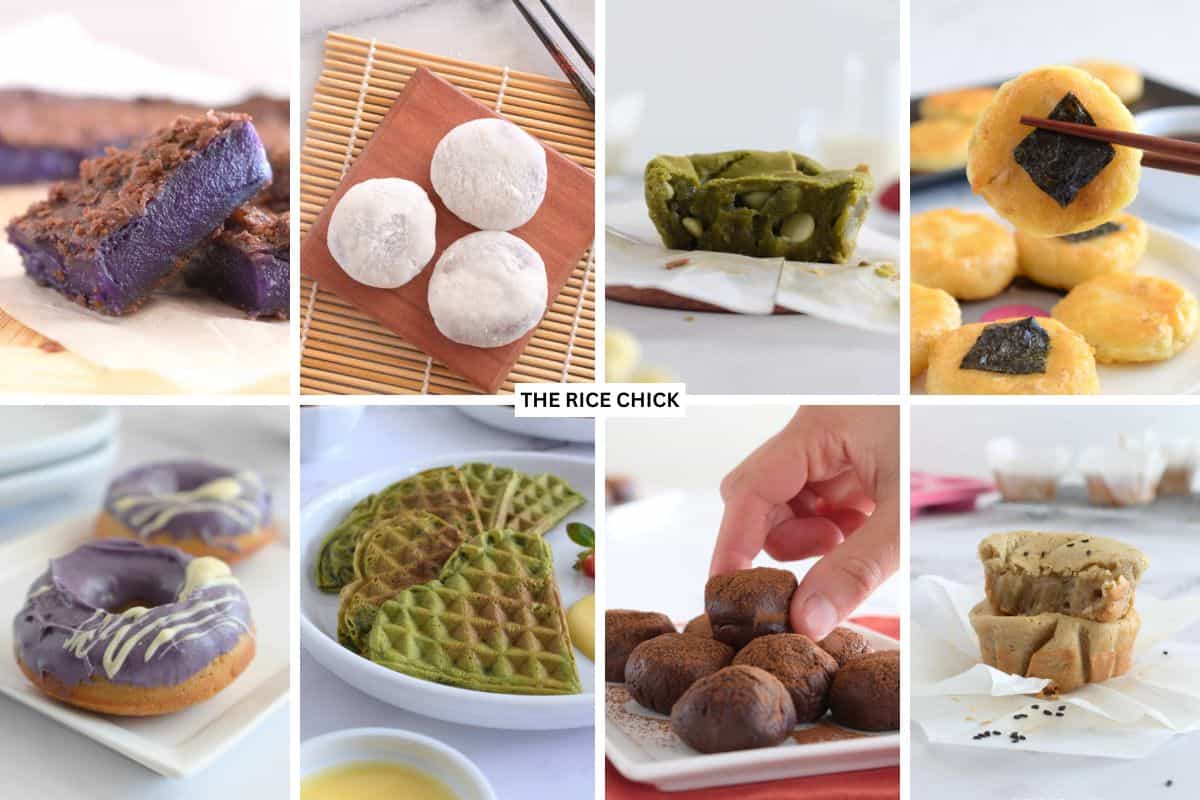
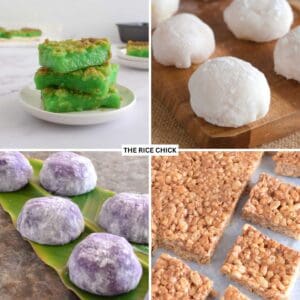
A good example is butter mochi, which turns the traditional mochi base into a soft, chewy, cake-like slice. Variations like ube butter mochi build on that same idea but add extra flavour and richness.

From there, mochi starts showing up in more bakery-style formats. Recipes like mochi donut recipes and chocolate baked mochi donuts take that chewy batter and shape it into something closer to a classic bakery treat, just with a different texture inside.
You also start to see mochi used in everyday-style baking, like matcha mochi waffles, mochi pancakes, and even mochi bread, where it blends into familiar recipes but changes the texture in a subtle way.

Mochi Muffins, Cookies, And Cupcakes
Mochi has also found its way into familiar bakery-style desserts where it brings a chewy twist to everyday treats. These versions keep the soft texture but combine it with formats people already know like muffins, cookies, and cupcakes.
One of the most popular variations is mochi muffins, which take the chewy base and turn it into a soft baked muffin-style dessert.
Matcha mochi muffins add a flavour variation on top of that same idea, while chocolate mochi muffins lean into a richer dessert-style version.
You also see mochi used in cookie form, where mochi cookies combine a slightly crisp exterior with a chewy centre for contrast in texture.
From there, it extends into more dessert-style baking like chocolate mochi cupcakes, which bring a cake-like structure while still keeping that signature chewiness throughout.

Flavor Variations And Creative Mochi Ideas
Once you understand the base texture, mochi becomes a lot more flexible in flavor. The same chewy structure can be adapted with different ingredients to create completely different taste profiles while keeping the core idea intact.
Some of the most popular variations include chocolate mochi, matcha mochi, black sesame mochi, potato mochi, ube mochi, and mango mochi.
Each one brings a distinct flavor direction, from earthy and slightly bitter to sweet and fruity, while still keeping that signature chewiness.
Other versions like ube butter mochi combine both flavor and baked texture, showing how mochi can sit across multiple dessert styles at once.
You also see more experimental versions appear across recipes where the focus is less on tradition and more on flavor creativity while still keeping the same chewy base.
FAQ
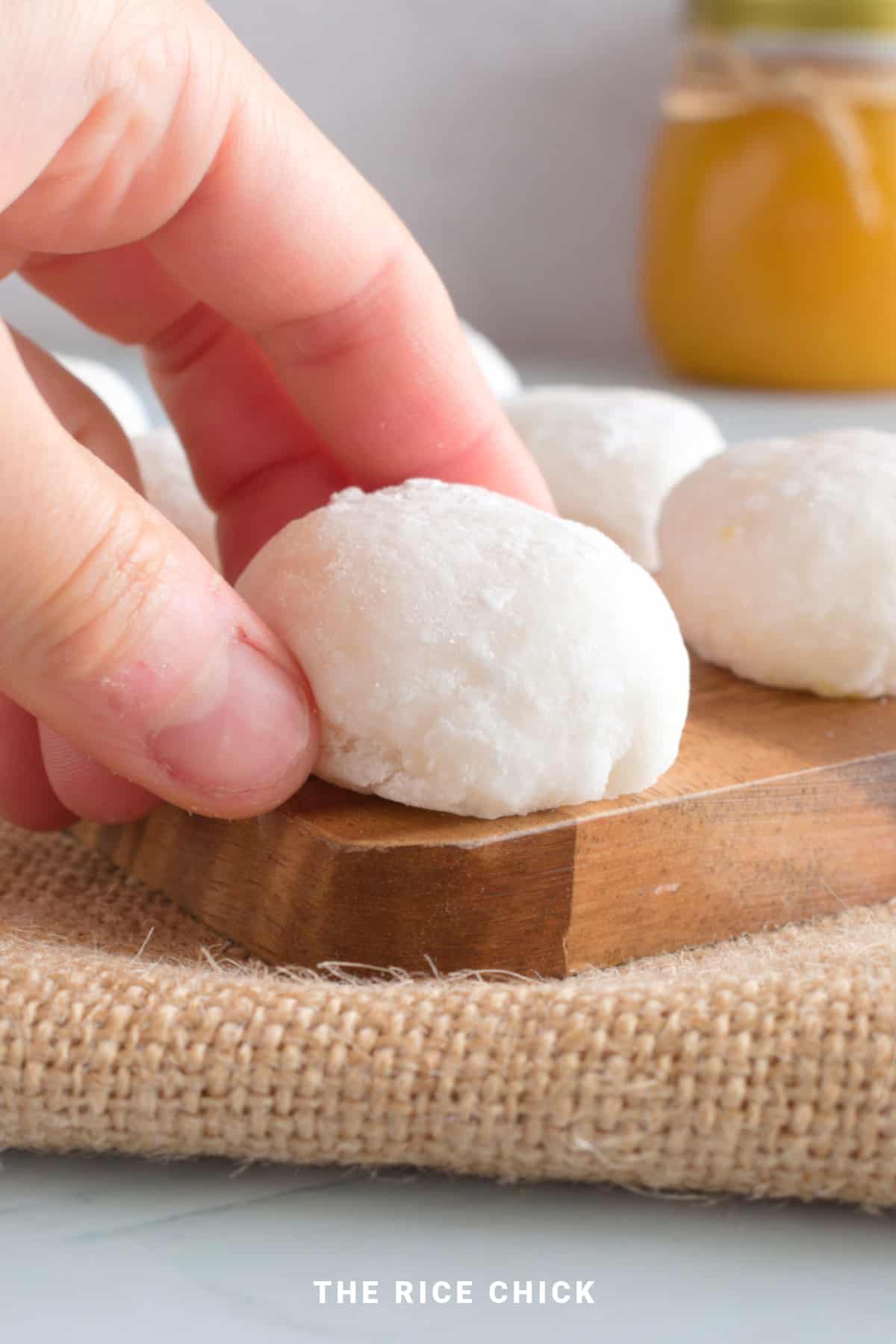
Mochi is made from glutinous rice or rice flour that is processed into a soft, chewy dough-like texture used in both traditional and modern desserts.
No, mochi can be both sweet and savoury, but most modern versions used in desserts are lightly sweetened and paired with fillings or flavors.
Mochi is the chewy rice dough base, while mochi ice cream is a filled dessert where that chewy layer surrounds a frozen ice cream centre.
Yes, many modern versions like mochi muffins, butter mochi, and mochi cupcakes are baked and have a soft, chewy cake-like texture.
The chewiness comes from glutinous rice starch, which creates a stretchy, elastic texture when processed into dough.
Stay Connected
Tried one of these rice recipes or found a new favorite? I'd love to hear how it turned out. Leave a comment below and share your tips, swaps, or go-to rice dish.
Save this page on Pinterest so it's easy to find again when you need rice ideas for dinner, meal prep, or special occasions.
Made something delicious? Share your results on Instagram and tag @thericechick so we can see what you created and celebrate your kitchen wins.


Comments
No Comments