

Sushi comes in many familiar forms, from simple rice balls to rolled and hand-shaped styles, each using rice a little differently.
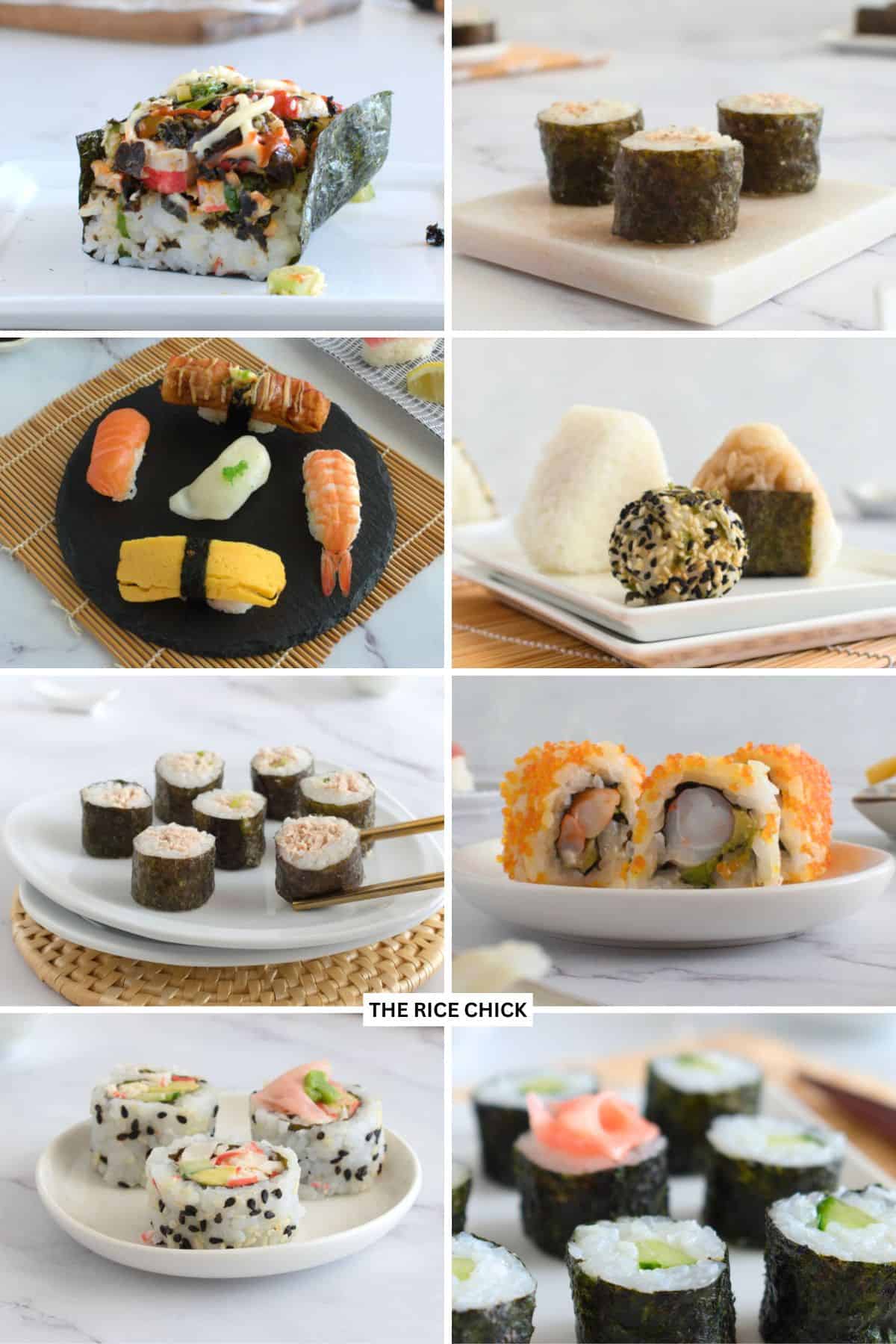
Table of Contents
Sushi is a broad category of rice-based dishes often linked with Japanese cuisine, where vinegared rice is combined with fillings, toppings, or simple accompaniments. What changes from one style to another is usually how the rice is shaped and put together.
Some versions are rolled and sliced into pieces, others are formed by hand into compact shapes, and some are kept simple with rice acting as the base for toppings. The texture of the rice is important in all of them, helping the shapes hold together while still staying soft to eat.
This guide breaks down the main sushi styles and rice-based variations in a straightforward way, so you can see how they compare and how each one is typically put together.
For more rice-based preparations, you can also explore rice bowls for meal-style dishes, rice recipes for general cooking ideas, or risotto guide for another technique-driven way of preparing rice.
Sushi Styles And How They Differ
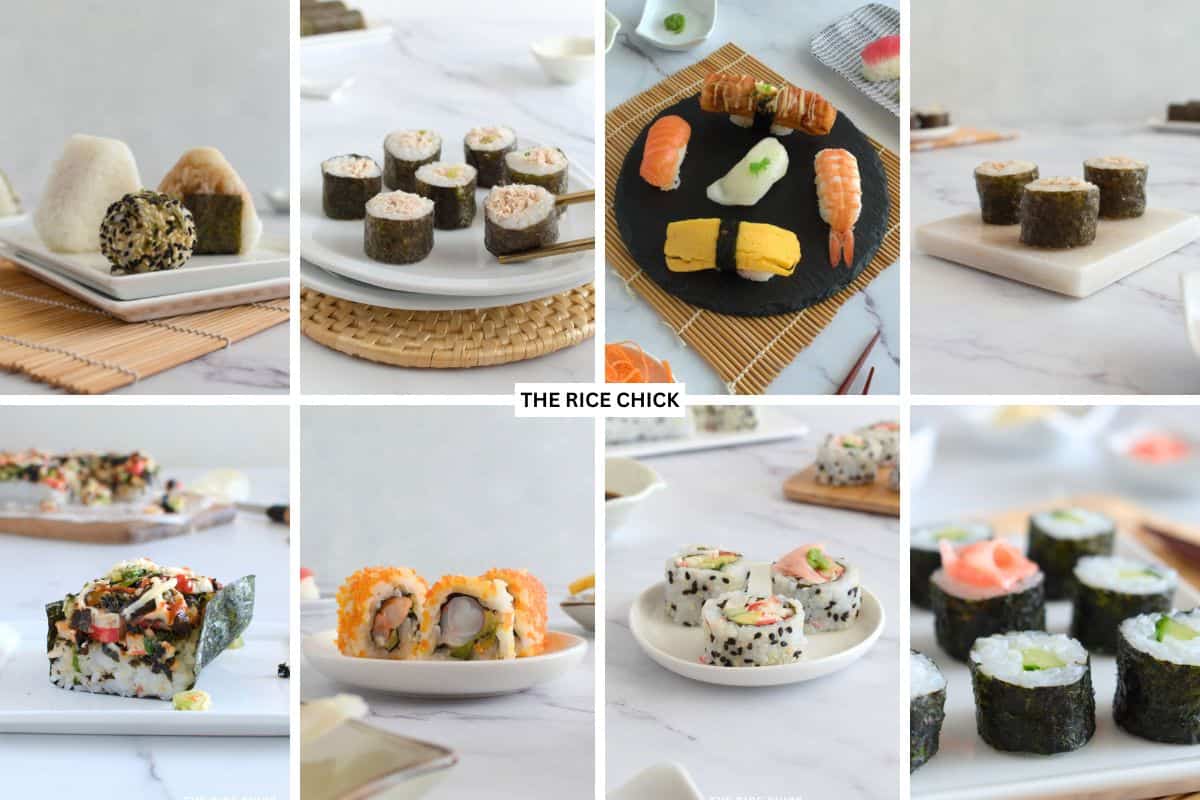
Sushi comes in several different styles, and what changes most is how the rice is shaped and combined with other ingredients. Some versions are rolled, some are hand-formed, and others are kept very simple with rice acting as a base.
Rolled sushi is one of the most familiar forms, where rice and fillings are wrapped (typically in seaweed) and sliced into pieces. A breakdown of the main categories can be seen in types of sushi rolls, which shows how different roll styles compare in structure and size.
Smaller or more traditional rolls like hosomaki focus on a simple filling with a thinner roll format, while variations such as salmon maki roll show how minimal ingredient fillings are commonly used in this style.
There are also comparisons that help clarify how sushi forms differ. For example, nigiri vs sashimi explains the difference between rice-based portions and sliced fish served without rice.
Another common comparison is maki sushi vs handroll, which highlights how the same ingredients can be shaped either into a cut roll or a hand-held cone-style form depending on presentation.

Onigiri And Simple Rice-Based Forms
Not all sushi-related rice dishes are rolled or layered with fillings. Some of the simplest forms focus on shaping rice by hand into compact, easy-to-eat portions.
One of the most common examples is onigiri, which is typically formed into a triangle or oval shape and can be filled or left plain depending on preference. A step-by-step guide is covered in how to make onigiri, which shows the shaping process in more detail.
There are also simple variations like simple onigiri recipe, which focuses on quick preparation using basic ingredients, and filled versions such as onigiri with tuna, which adds a flavourful centre while keeping the same structure.
These rice-based forms are less about presentation and more about convenience and portability, making them a common everyday option alongside more structured sushi styles.

Popular Sushi Rolls And Modern Variations
Some sushi styles have become especially popular in modern home cooking and casual dining because they are more filling, customizable, and easy to adapt with different ingredients.
A well-known example is the California sushi roll recipe, which combines rice, fillings, and a rolled structure that is widely recognised in many countries. Another common variation is spicy tuna sushi recipe, which uses a seasoned filling inside a classic roll format.
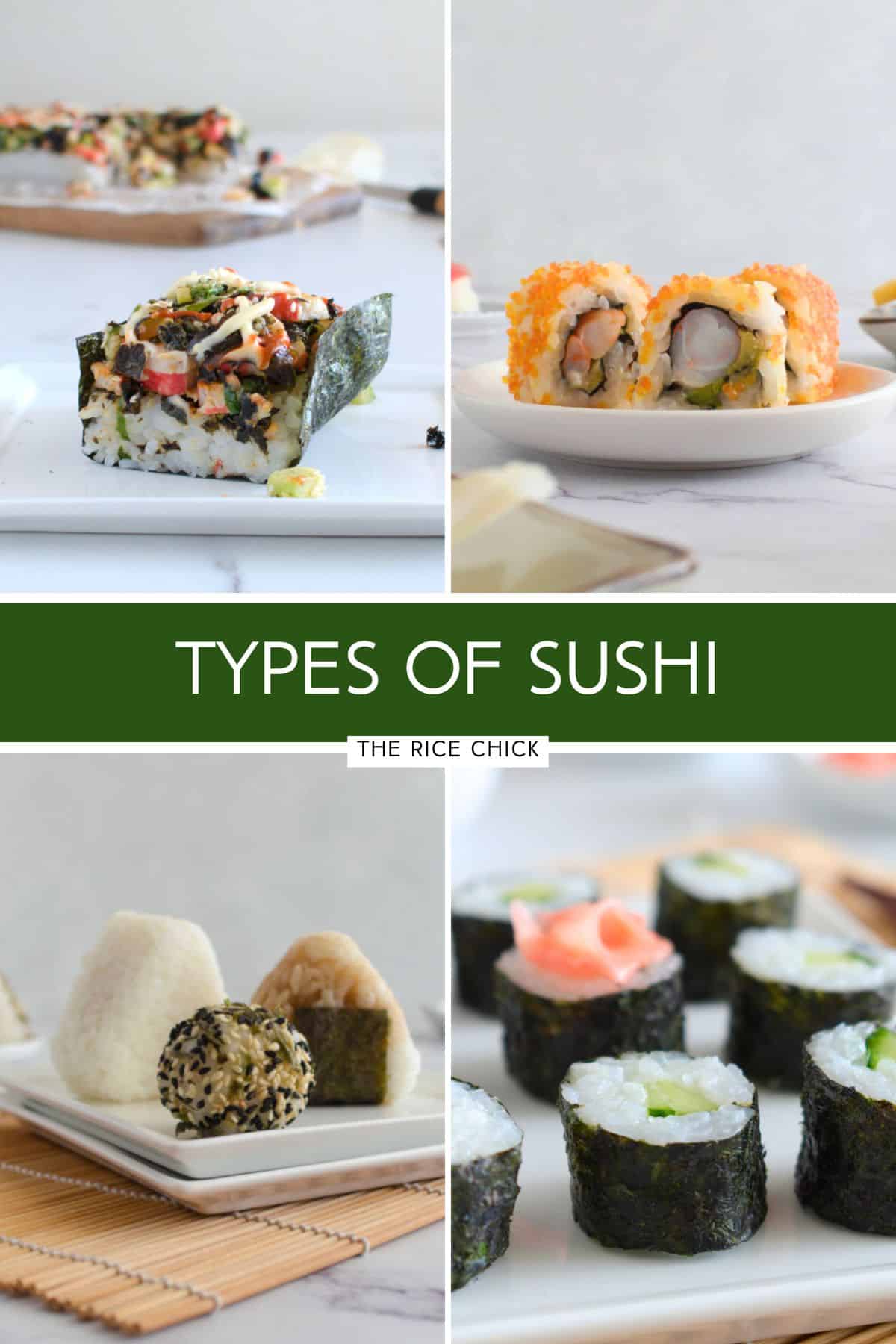
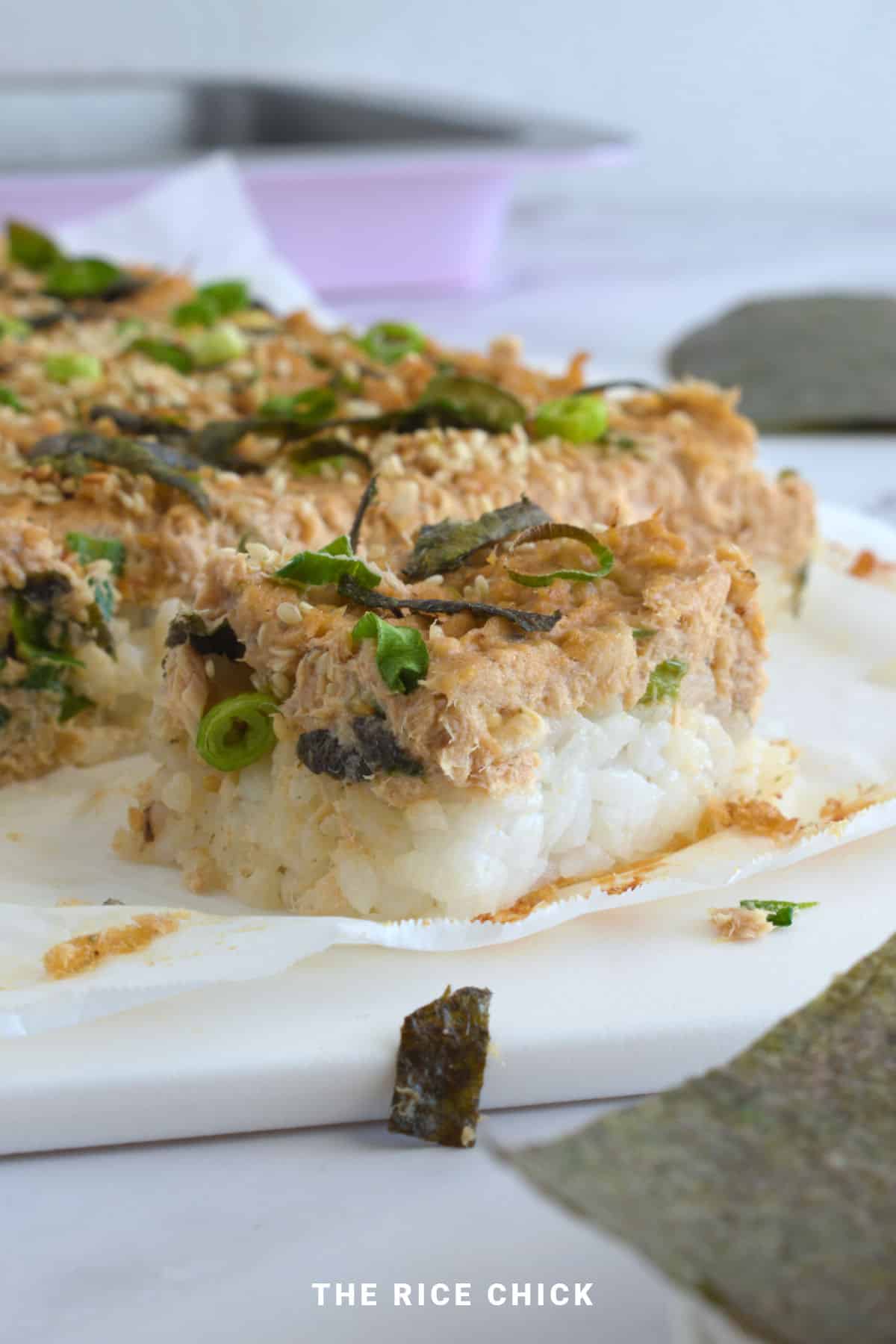
There are also baked and deconstructed versions like sushi bake recipe, which takes the same core ingredients and layers them in a shared, oven-baked format instead of traditional rolling.
These variations show how sushi-style rice dishes can be adapted beyond traditional rolling methods while still keeping the same core idea of rice combined with fillings and toppings.
FAQ
Sushi is typically made with vinegared rice combined with fillings or toppings such as fish, vegetables, or other ingredients, depending on the style.
Maki is rolled and sliced into bite-sized pieces, while handrolls are shaped into a cone and eaten individually.
No, not all sushi contains raw ingredients. Many versions use cooked fillings, vegetables, or other prepared ingredients.
Onigiri is a simple rice-based form shaped by hand, often filled or lightly seasoned, and commonly eaten as a snack or portable meal.
Sushi is commonly wrapped in ingredients like seaweed (nori), but some styles may use other wrappers or no external wrapping depending on the format.
Stay Connected
Tried one of these rice recipes or found a new favorite? I'd love to hear how it turned out. Leave a comment below and share your tips, swaps, or go-to rice dish.
Save this page on Pinterest so it's easy to find again when you need rice ideas for dinner, meal prep, or special occasions.
Made something delicious? Share your results on Instagram and tag @thericechick so we can see what you created and celebrate your kitchen wins.


Comments
No Comments