

Rice doesn't need to be complicated, but it does need a few things done right. Once you understand the basics, it becomes one of the most reliable parts of your cooking instead of the most frustrating.
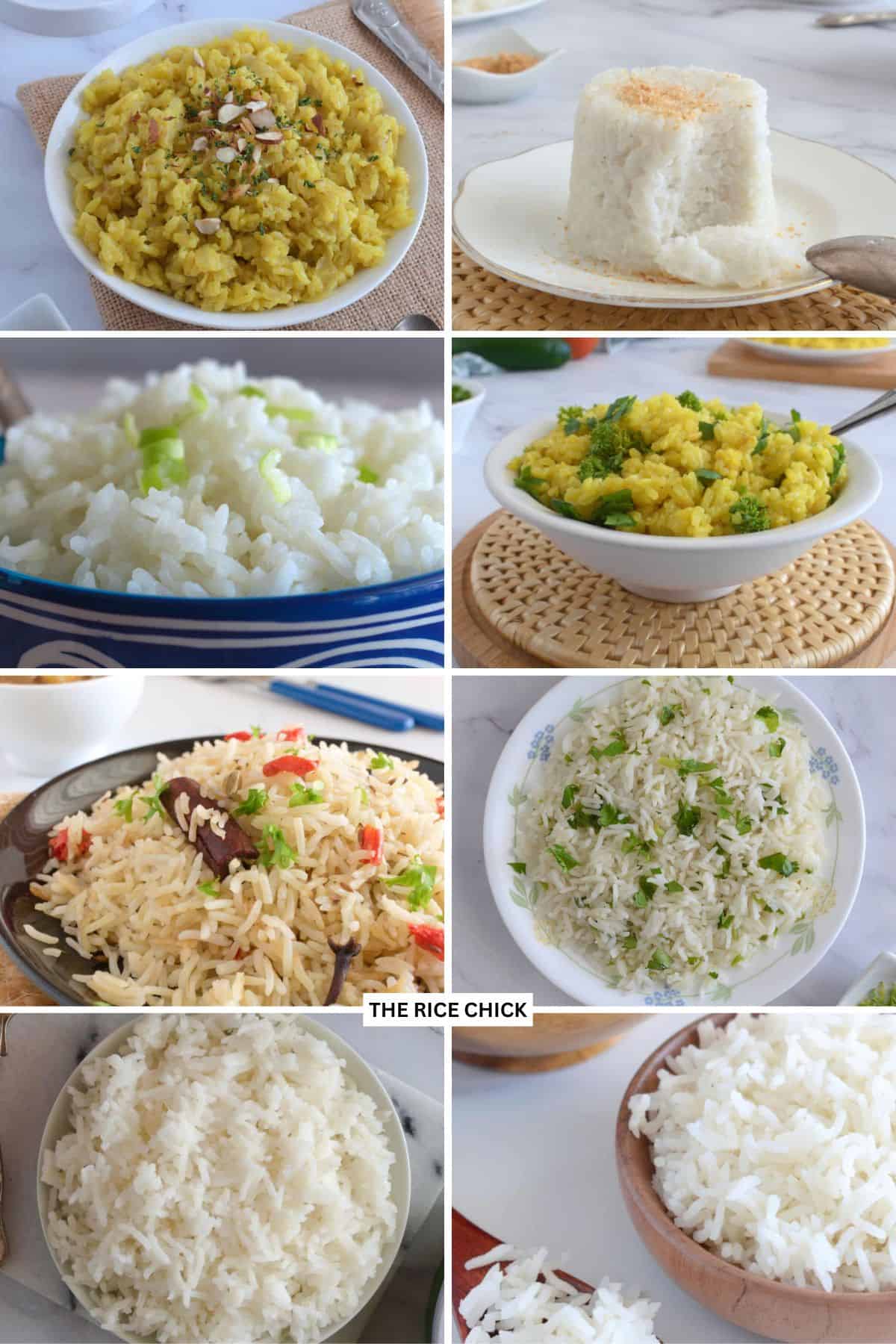
Table of Contents
- Core principles of cooking rice
- How to cook rice on the stovetop (simple everyday method)
- Choosing the right cooking method for rice
- Cooking rice with different appliances
- Understanding rice types and how they affect cooking
- Rice portions and simple ways to improve rice
- Common rice problems and what causes them
- FAQ
- Stay Connected
- Comments
Rice is one of those everyday staples that can still catch you off guard. You might follow the same steps each time, use the same pot, and still end up with rice that turns out too sticky, too dry, or uneven for no obvious reason. It's frustrating because it feels like it should be consistent, but often it isn't.
The truth is, most rice problems come down to small details rather than the rice itself. Things like how much water you use, how tightly it's covered, the heat level, or even the type of rice you're cooking can completely change the result.
Once you understand how those pieces fit together, it becomes much easier to get it right consistently.
Before getting into the method, it helps to know that not all rice behaves the same way. Different grains absorb water differently and respond differently to heat.
If you're still figuring out what you're working with, it's worth starting with types of rice so you understand how each variety behaves before you cook it.
This guide will walk through a simple stovetop method that works for most everyday rice, plus how to think about adjustments when things don't go quite right.
Core principles of cooking rice
Before getting into specific methods, it helps to understand a few simple principles that influence almost every pot of rice you cook.
The first is that rice is mostly about water absorption. Once heat is applied, the grains take in liquid and gradually soften as they cook.
If there's too much water, the rice can become overly soft or sticky. Too little, and it may end up uneven or undercooked. It's not an exact formula every time, but it follows a consistent pattern once you understand how it behaves.
The second is that heat control matters more than most people realise.
Rice usually needs a strong start to bring everything up to temperature, followed by a much lower, steady heat to finish cooking gently. If the heat stays too high, the liquid can evaporate before the grains have properly softened.
The third is that resting time is part of the process. Once the heat is turned off, leaving the lid on allows steam to redistribute through the pot, which helps the texture settle evenly instead of feeling uneven or rushed.
These three ideas - water, heat, and timing - show up in every cooking method, whether you're using a basic pot or a more modern appliance.
When rice doesn't turn out the way you expect, it's usually because one of these elements was slightly off rather than anything being fundamentally wrong with the rice itself.

How to cook rice on the stovetop (simple everyday method)
The stovetop method is the most common way to cook rice at home, and once you understand the basics, it becomes something you can rely on without much effort. It works well for everyday meals and can be adjusted slightly depending on the type of rice you are using.
Start by rinsing the rice under cold water. This helps remove excess surface starch, which can lead to rice turning out overly sticky or clumped together.
However, rinsing is not always necessary. Some recipes skip it depending on the texture they want, especially when a slightly stickier result is preferred.
Add the rinsed rice to a pot and pour in fresh water. A general starting point is one part rice to about one and a half to two parts water. This can vary depending on the type of rice and how soft or firm you prefer the final result.
Bring the pot to a gentle boil, then immediately reduce the heat to low and cover with a tight-fitting lid.
From this point, avoid lifting the lid too often, as the trapped steam is what allows the rice to cook evenly.
Let it cook until the water is fully absorbed. Once done, remove it from the heat and leave it covered for a few minutes. This resting time allows the steam to settle through the grains and improves overall texture.

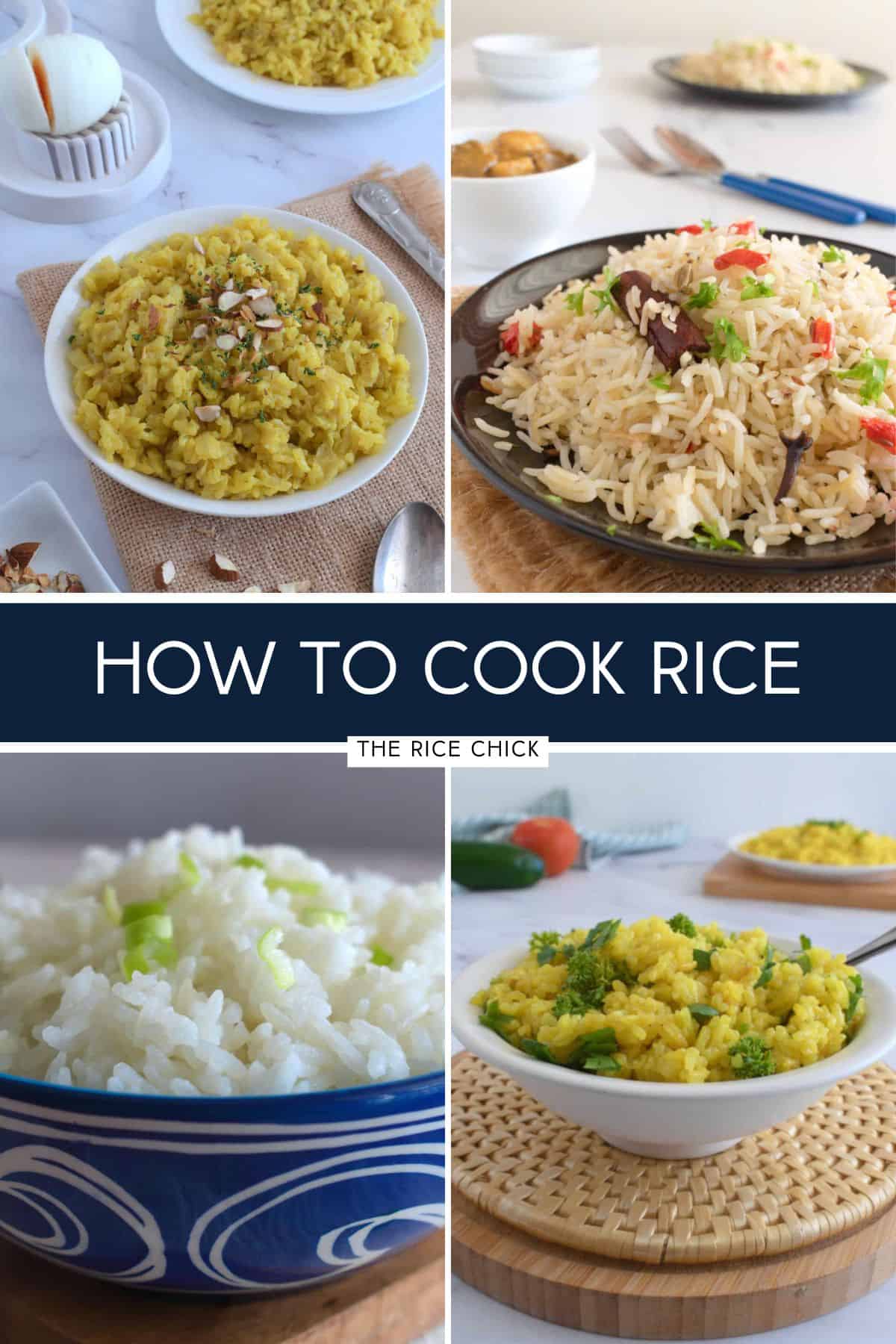
For different rice varieties, the same stovetop method can shift slightly in water ratios and timing. You can see this in specific versions such as sushi rice on the stovetop, basmati rice on the stovetop, and jasmine rice on the stovetop, which adjust the process for different grain behaviors while keeping the same core steps.
This same foundation also extends into flavoured rice dishes where seasoning and liquid are adjusted for added flavour.
Examples include coconut rice recipe, cilantro lime rice recipe, jeera rice recipe, and mediterranean yellow rice, all of which build on the same basic stovetop principles with small changes to ingredients.

Choosing the right cooking method for rice
There is more than one way to cook rice, and the "best" method often depends on convenience, equipment, and the type of result you want.
The important thing to understand is that most methods are built on the same foundations - water absorption, heat control, and resting time, but they handle those steps differently.
The stovetop method is the most traditional approach and gives you the most direct control over heat and texture. It works well once you understand timing, but it can vary slightly depending on the rice type and how closely you manage the heat.
If you prefer a more hands-off approach, pressure cooking methods such as an Instant Pot reduce the need for constant monitoring.
They rely more on controlled pressure and set timing, which can make results more consistent once you understand the right ratios for each rice type. You can explore this further in how to cook rice in instant pot.
Rice cookers follow a similar idea, but automate the process even further. They are often used for everyday consistency and can be helpful if you cook rice frequently without wanting to adjust settings each time.
Recipes for different rice cooker approaches are covered in recipes for rice cooker.
No matter the method, different rice types still behave differently. Long grain varieties like basmati tend to stay separate and fluffy, while shorter grains often hold more moisture and become slightly stickier.
Understanding this is more important than the method itself, which is why starting with types of rice helps everything else make more sense.

Cooking rice with different appliances
Rice can also be cooked using appliances that automate parts of the process, which can be helpful if you want a more hands-off approach or more consistent timing.
Methods like the Instant Pot or rice cooker follow the same basic principles as stovetop cooking. The main differences come down to how heat and timing are controlled, which can reduce guesswork once you understand the correct ratios for each type of rice.
For pressure cooking methods, you can explore how to cook rice in instant pot for a more detailed breakdown. Different rice types also have their own adjustments, such as jasmine rice in instant pot, instant pot basmati rice, and instant pot sushi rice, which vary slightly in timing and water levels.
You can also apply the Instant Pot method to more flavoured or mixed rice dishes, such as instant pot fried rice recipes, instant pot coconut rice, and yellow rice in instant pot, which build on the same pressure cooking principles with added ingredients or seasoning.
Rice cookers work in a similar way by automatically controlling heat and shut-off timing. If you want to explore that approach, you can look at recipes for rice cooker, which covers different everyday uses.
While these appliances change the process slightly, the core idea stays the same. Water absorption, heat control, and resting time still determine the final texture.

Understanding rice types and how they affect cooking
Rice does not behave the same way across all varieties. The type you choose has a big impact on texture, moisture, and how forgiving the cooking process is.
Long grain rice usually cooks up light and separate, but it needs the right balance of water and timing to avoid turning dry or uneven. Short grain rice contains more starch, which naturally creates a softer, stickier texture even when cooked correctly.
Medium grain rice sits in between, giving a balance of structure and softness depending on how it is prepared. This is why the same method can give slightly different results depending on the rice you use.
Rice portions and simple ways to improve rice
Before cooking rice, it helps to understand how much to prepare. A common question is how much rice to cook per person, especially when planning meals for families or groups.
As a general guide, how many cups of rice per person helps you estimate portions so you do not end up with too little or too much.
Once rice is cooked, it can also be adjusted in simple ways to improve flavour without changing the entire dish. Basic seasoning techniques such as butter, salt, herbs, or light sauces can make plain rice more versatile. If you want to explore this further, how to season white rice covers simple ways to add flavour while keeping the base rice intact.
These small adjustments help turn plain rice into something that works across different meals without needing a completely new recipe each time.

Common rice problems and what causes them
Even when you follow the same steps, rice can sometimes turn out differently than expected. This usually feels random, but most issues come down to a few repeat patterns rather than the method itself.
If rice turns out too sticky or clumped together, it is often due to excess starch or too much water. In some cases, skipping the rinse or using a higher-starch rice variety can also contribute to this texture.
If rice is undercooked or still firm in the center, it usually means there was not quite enough liquid or the heat was too low for too long. It can also happen if the lid was lifted during cooking, allowing steam to escape before the rice finished cooking.
Dry or uneven rice is often linked to inconsistent heat or not allowing the rice to rest after cooking. That final resting period helps the steam settle and finish the texture more evenly.
Most of these issues are easy to adjust once you understand what is causing them. Small changes in water, heat, or timing usually make the biggest difference.

FAQ
Rice usually turns sticky when there is too much water or excess surface starch. Skipping the rinse step or using a naturally higher-starch rice can also lead to a softer texture.
A general guide is about ½ cup of uncooked rice per person. This can vary depending on appetite and whether rice is a side dish or the main part of the meal. You can adjust more precisely using how many cups of rice per person.
Rinsing helps remove extra starch and can improve texture, especially for long grain rice. However, some recipes skip rinsing on purpose when a slightly stickier result is preferred.
This usually means there was not enough water or the heat was too low for too long. It can also happen if the lid was lifted during cooking, letting steam escape before the rice finished cooking.
Simple additions like salt, butter, herbs, or broth can improve flavour without changing the method. You can also explore how to season white rice for more ideas.
Stay Connected
Tried one of these rice recipes or found a new favorite? I'd love to hear how it turned out. Leave a comment below and share your tips, swaps, or go-to rice dish.
Save this page on Pinterest so it's easy to find again when you need rice ideas for dinner, meal prep, or special occasions.
Made something delicious? Share your results on Instagram and tag @thericechick so we can see what you created and celebrate your kitchen wins.



Comments
No Comments