

Arborio rice and sushi rice might both look short and starchy, but they behave very differently once cooked. One is designed for creamy richness, the other for soft stickiness and structure.
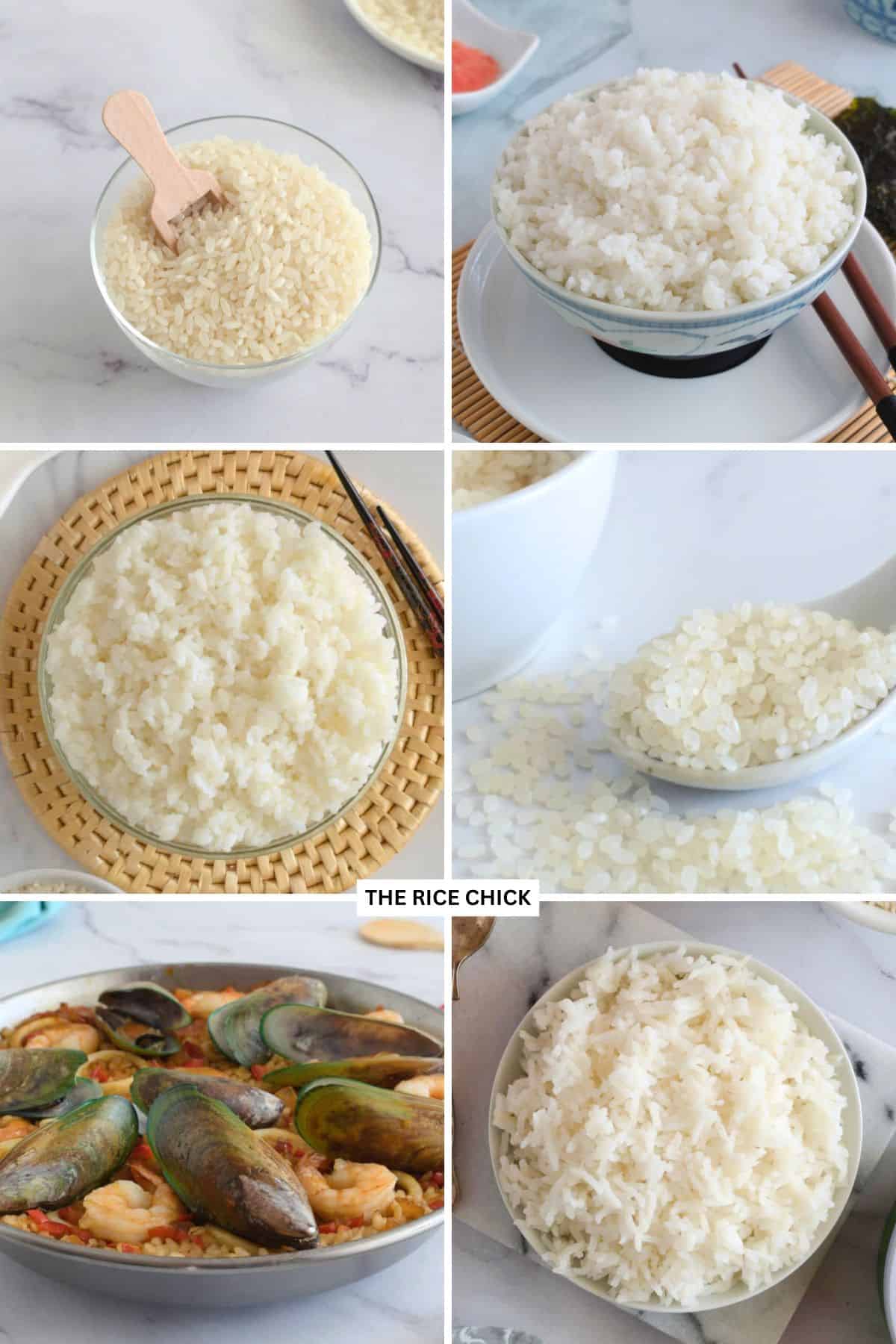
Table of Contents
Arborio rice and sushi rice are both short grain rice types, which is why they often get mixed up in cooking.
At first glance, they even look similar, plump grains with a higher starch content than long grain rice. But their purpose in cooking is quite different.
Arborio rice is built to release starch slowly during cooking, creating a creamy, almost saucy texture. Sushi rice, on the other hand, is designed to be sticky enough to hold its shape, especially when shaped or pressed.
Understanding the difference helps avoid one of the most common mistakes in rice cooking, using the wrong rice for texture-heavy dishes where structure really matters.
If you want to learn more about rice you might like to check out this guide on rice cooking tips, fixes, and what to serve with rice.
Arborio Rice vs Sushi Rice: how they behave in cooking
Even though both are short grain, they respond differently to heat, stirring, and moisture.
Arborio rice
Arborio rice is most commonly used in risotto. It has a high starch content that gradually releases during cooking.
It tends to:
- create a creamy, velvety texture
- absorb liquid slowly while stirring
- stay slightly firm at the centre (al dente) when cooked properly
- require constant attention during cooking
This makes it ideal for dishes where creaminess is the goal rather than separate grains.

Sushi rice
Sushi rice is also short grain, but it behaves differently once cooked and seasoned.
It tends to:
- become sticky enough to hold shape
- stay soft but structured
- clump together slightly when cooled
- absorb seasoning well (like vinegar mixture in sushi rice preparation)
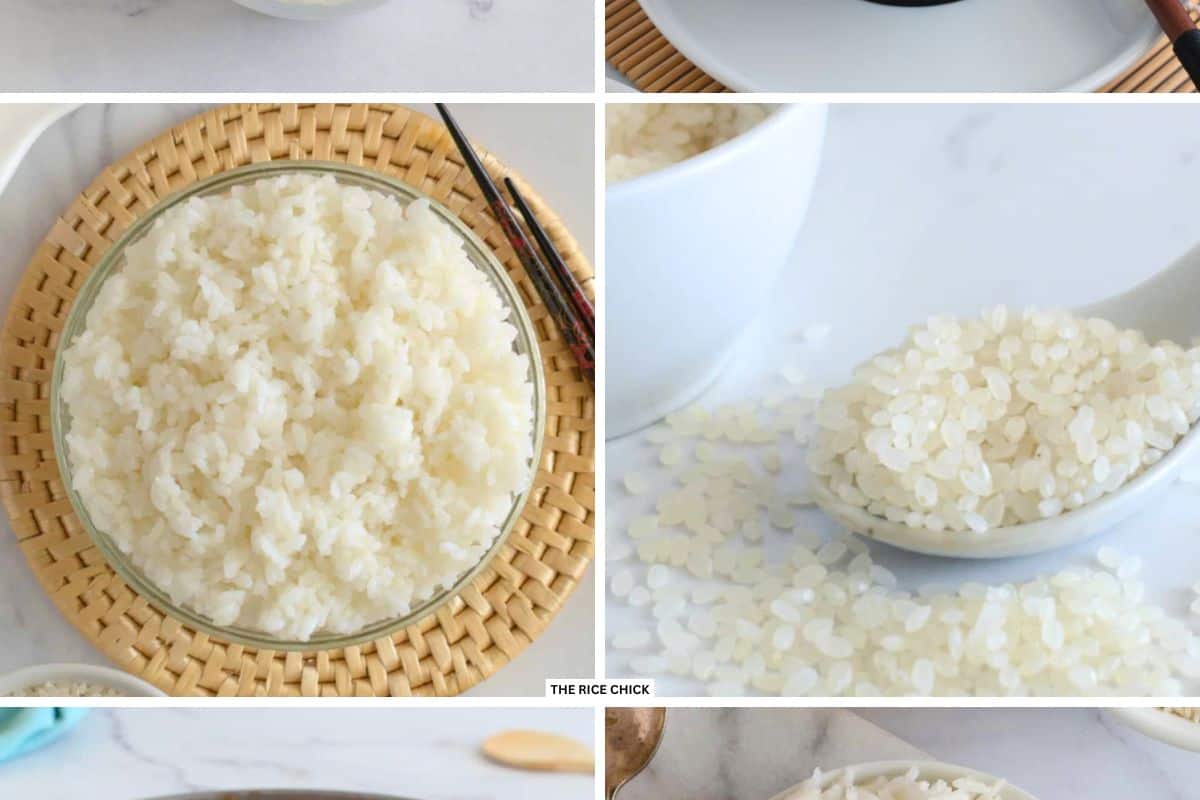
This texture is essential for sushi rolls, onigiri, and rice balls where the rice needs to stay together without falling apart.

Arborio Rice vs Sushi Rice in real cooking use
The key difference is what each rice is designed to do after cooking.
Arborio rice is meant to break down slightly and release starch, creating a creamy consistency. It's most commonly used in dishes like how to make a risotto, where slow liquid absorption creates that signature texture.
Sushi rice, on the other hand, is designed to hold its shape. It works best in structured dishes like simple onigiri recipe or rolled preparations such as California sushi roll recipe, where the grains need to stick together without losing definition.
So while they can look similar in the pantry, they behave very differently once heat and moisture are involved.
Can you substitute arborio rice and sushi rice?
Technically, you can substitute them, but the results will change the dish quite noticeably.
If you use sushi rice instead of arborio rice, you won't get the same creamy texture needed for dishes like risotto with asparagus recipes, because sushi rice doesn't release starch in the same gradual way.
If you use arborio rice instead of sushi rice, the grains won't hold together properly for structured dishes like recipes for sushi rice, and the final result will feel too soft and loose.
In short, they can both work in a pot, but not in the same recipes.In short, they behave similarly in shape, but not in function.
FAQ
No. Arborio rice is used for creamy dishes like risotto, while sushi rice is designed to be sticky and hold shape for sushi and rice balls.
It's not ideal. Sushi rice won't release starch in the same way, so the texture will be sticky rather than creamy.
Other Easy Rice Ideas You Might Like:
Stay Connected
Tried one of these rice recipes or found a new favorite? I'd love to hear how it turned out. Leave a comment below and share your tips, swaps, or go-to rice dish.
Save this page on Pinterest so it's easy to find again when you need rice ideas for dinner, meal prep, or special occasions.
Made something delicious? Share your results on Instagram and tag @thericechick so we can see what you created and celebrate your kitchen wins.


Comments
No Comments