

Risotto and rice pilaf both start with rice and a pot, but they end up as completely different dishes. One is creamy and rich with a soft, spoonable texture, while the other is light, fluffy, and built around separate grains.

Table of Contents
Risotto and rice pilaf are often confused because they can look similar once served. Both are cooked rice dishes that feel more "finished" than plain boiled rice, and both are commonly served alongside proteins or vegetables.
But the way they're cooked is completely different, and that difference is what shapes everything, texture, flavour, and even how filling the dish feels.
Risotto is built around starch release. The rice is stirred slowly while liquid is added gradually, which creates a naturally creamy consistency without needing cream.
Rice pilaf takes the opposite approach. The grains are usually toasted first in fat, then cooked in a measured amount of liquid without stirring. This keeps the grains intact and separate, giving a lighter, more structured result.
Once you understand this contrast, it becomes much easier to decide which one rice type suits the meal you're trying to make, rich and comforting, or light and defined.
Risotto vs Rice Pilaf: what actually happens in the pot
Even though both dishes use rice and liquid, the cooking logic behind them is almost opposite.
Risotto
Risotto is a slow, interactive cooking method where texture is built step by step.
As the rice cooks, stirring encourages starch to slowly release into the liquid. This is what creates the signature creamy, almost velvety texture without adding dairy (although butter or cheese is often finished at the end for extra richness).
It typically:
- uses short grain rice like arborio
- requires gradual addition of stock or broth
- needs frequent stirring to develop creaminess
- results in a soft, cohesive texture rather than separate grains
The goal is not for the rice to stay distinct, but to gently break down just enough to create a creamy base that still has a slight bite in the centre.
This is why dishes like how to make a risotto feel so different from standard rice recipes, the technique is doing most of the work, not just the ingredients.
Rice pilaf
Rice pilaf is built around control and separation rather than creaminess.
The rice is usually sautéed in oil or butter first, which lightly coats each grain. This helps reduce excess starch release during cooking. Then liquid is added all at once, and the rice is left to absorb it without stirring.
It typically:
- uses long grain or medium grain rice
- starts with toasting in fat for flavour and structure
- cooks in a fixed amount of liquid (no gradual adding)
- results in fluffy, separate grains
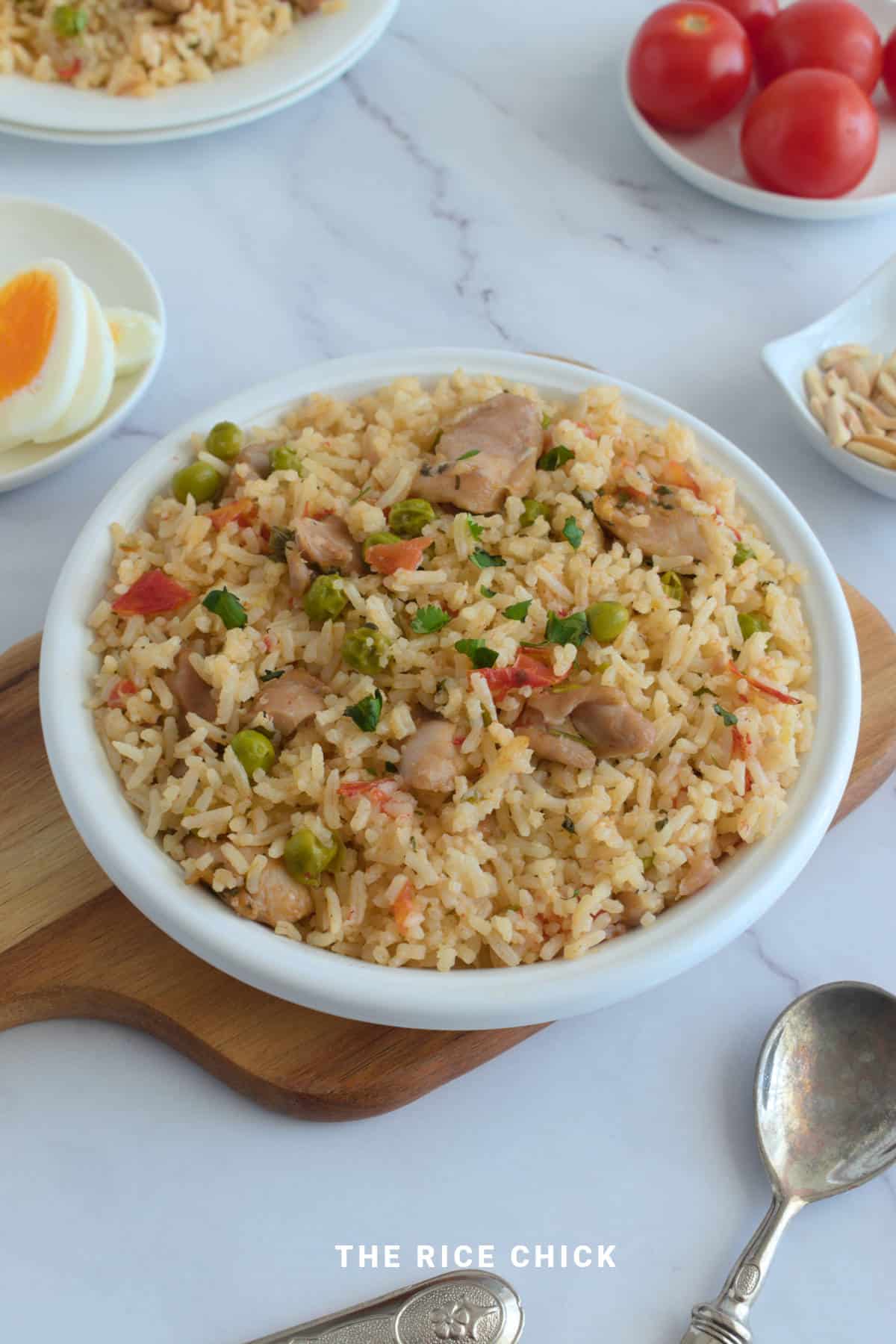
Because the grains stay intact, pilaf often feels lighter on the palate. It works especially well as a side dish where rice supports the main flavours rather than becoming the centre of the dish.
Risotto vs Rice Pilaf in real cooking situations
The choice between risotto and pilaf is really about what role you want the rice to play in the meal.
Risotto feels like the main event. It's rich, filling, and usually served on its own or with simple toppings because the texture is already doing so much of the work. It suits slower cooking and more hands-on preparation.
Pilaf feels more like a supporting base. It's often served alongside grilled meats, vegetables, or stews because it stays structured and doesn't compete with sauces or juices.
In simple terms:
- risotto = creamy, rich, spoonable, built through stirring
- pilaf = fluffy, light, structured, built through absorption
Can you substitute risotto and pilaf?
You technically can swap them in a pinch, but they are not designed to behave the same way.
If you cook pilaf like risotto (stirring and adding liquid gradually), the rice will break down and lose its fluffy structure. You'll end up closer to a porridge-like texture rather than a light side dish.
If you cook risotto like pilaf (no stirring, fixed liquid), it won't develop its signature creaminess. Instead, it will cook unevenly and feel more like plain soft rice rather than a cohesive dish.
So while both start with rice, they rely on completely different cooking logic, one builds creaminess through movement, the other builds structure through restraint.
FAQ
No. Risotto is a creamy, stirred rice dish that relies on starch release, while pilaf is a fluffy, non-stirred method that keeps grains separate.
The creaminess comes from starch released by the rice during slow stirring, which thickens the cooking liquid naturally.
Other Easy Rice Ideas You Might Like:

Stay Connected
Tried one of these rice recipes or found a new favorite? I'd love to hear how it turned out. Leave a comment below and share your tips, swaps, or go-to rice dish.
Save this page on Pinterest so it's easy to find again when you need rice ideas for dinner, meal prep, or special occasions.
Made something delicious? Share your results on Instagram and tag @thericechick so we can see what you created and celebrate your kitchen wins.



Comments
No Comments