
Brown rice and white rice can both work well for meal prep, but they behave differently once cooked, stored, and reheated.
The choice isn't just about nutrition, it's also about texture, convenience, and how well the rice holds up over several days.

Jump to:
Rice is one of the most reliable foundations for meal prep because it's affordable, easy to batch cook, and pairs with almost anything from vegetables to meats and sauces.
But not all rice behaves the same after it's cooked and stored.
Brown rice and white rice come from the same grain, but they're processed differently.
Brown rice keeps its outer bran layer, while white rice has it removed.
That one difference affects everything from cooking time to chewiness to how the rice feels after a few days in the fridge.
For meal prep, this matters more than people expect.
You're not just cooking for one meal, you're thinking about how the rice will hold up after sitting, cooling, and reheating.
Understanding that difference between the rice types helps you choose the right rice based on how you actually plan to use it during the week.
Brown Rice vs White Rice: what actually changes in meal prep
When you're meal prepping, you're really testing how rice behaves over time, not just straight out of the pot.
Brown rice
Brown rice is a whole grain, meaning it still has its bran layer intact. This gives it more fibre, a firmer bite, and a slightly nutty flavour, but it also changes how it behaves after cooking.
In meal prep, brown rice tends to:
- hold its structure better after refrigeration
- stay firmer rather than turning soft or mushy
- reheat with a consistent chewy texture
- pair well with saucy or protein-heavy meals
Because of its firmer structure, it often works well in meals where you want the rice to stay distinct rather than blend into everything else on the plate.
One thing to keep in mind is that brown rice takes longer to cook and usually requires more water than white rice. That makes it slightly less convenient for quick batch cooking, but many people find the texture worth the extra time.

White rice
White rice has had the bran and germ removed, which makes it softer, quicker to cook, and more neutral in texture.
In meal prep, white rice tends to:
- cook faster in large batches
- become softer after being refrigerated
- reheat into a more tender, slightly sticky texture
- absorb sauces and flavours more easily
This makes it extremely versatile for mixed meals like rice bowls, stir-fries, and curries where the rice acts as a base rather than a structured element.
For example, it works especially well in dishes like easy rice bowl recipes or fried rice recipes, where the texture is meant to blend with other ingredients rather than stay separate.
One thing to be aware of is that white rice can soften further in the fridge over time, especially if slightly overcooked initially. This isn't necessarily a problem, it often makes it better for saucy meals, but it does change the texture more noticeably than brown rice.

Brown Rice vs White Rice: how they perform after a few days
This is where the difference really shows up.
Meal prep isn't just about day one. It's about day three or four when the rice has been chilled and reheated multiple times.
Brown rice generally holds up better structurally. It stays firmer, which means it doesn't collapse or turn overly soft when reheated. This makes it a good option if you want consistent texture throughout the week.
White rice changes more noticeably over time. It softens in the fridge and becomes more tender when reheated. Depending on the dish, this can either be a benefit or a drawback.
A simple way to think about it is:
- brown rice gives you consistency over time
- white rice gives you flexibility and softness
If you're building structured weekly meals, this guide on rice meal prep recipes can help you combine rice with proteins and sauces in a way that keeps everything balanced through the week.
Practical meal prep scenarios
Instead of thinking about which rice is "better," it helps to think about what kind of meals you're preparing.
Brown rice works best when:
- you want firm texture even after refrigeration
- your meals include heavier proteins or roasted vegetables
- you prefer more bite and structure in your bowl
White rice works best when:
- you want fast batch cooking with minimal prep time
- your meals rely on sauces, curries, or stir-fries
- you prefer softer, more neutral rice that blends into dishes
Both can absolutely be used for meal prep, many people even rotate between them depending on the week.
Common meal prep mistakes with rice
A few small mistakes can make a big difference in how rice behaves after storage:
- Cooking rice too soft initially: This becomes more noticeable after refrigeration, especially with white rice.
- Not cooling rice properly before storing: Trapping steam can create excess moisture, affecting texture later.
- Using the same water ratio for both types: Brown rice usually needs more liquid and longer cooking time than white rice.
- Reheating without adding moisture: A small splash of water before reheating can help restore texture, especially for white rice.

FAQ
Not necessarily. Brown rice holds its texture better over time, but white rice is faster to cook and often works better in softer, saucy meals.
No, but its texture changes more noticeably in the fridge. It tends to soften compared to brown rice.
Yes, but they will stay slightly different in texture after reheating, which some people actually prefer for variety in the same meal.
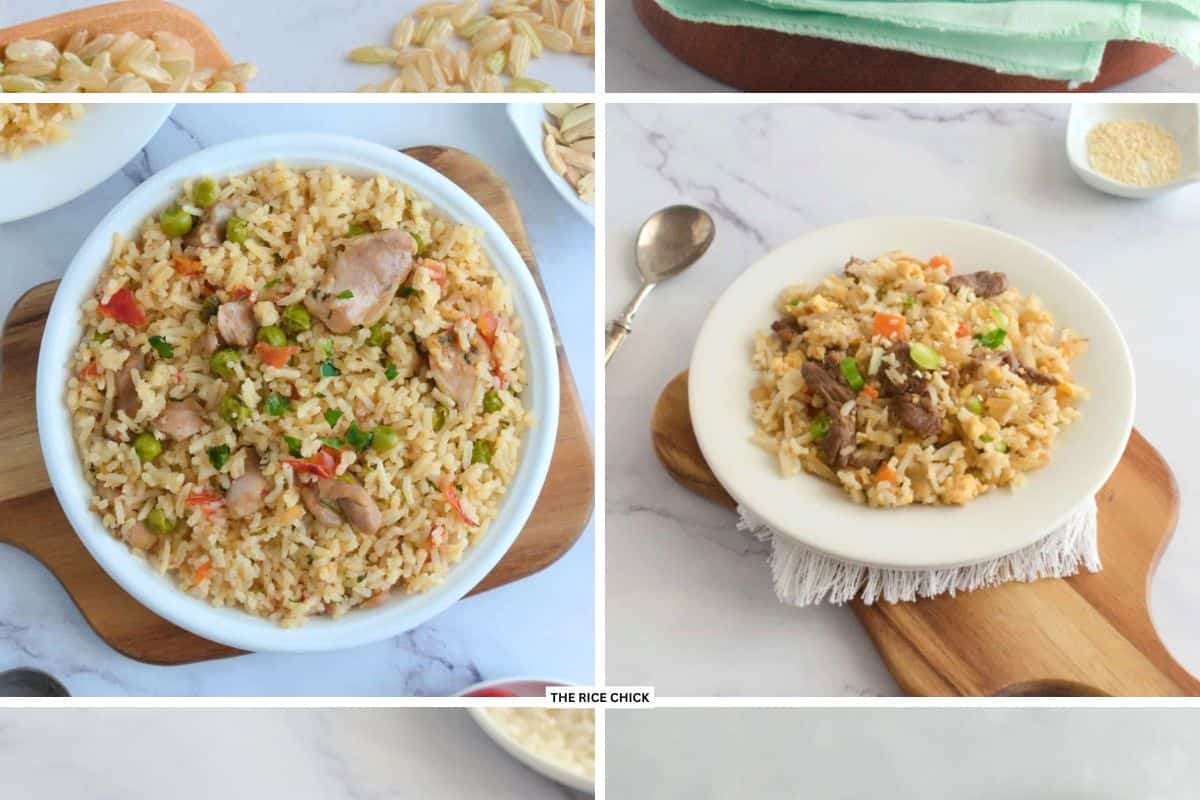
Other Easy Rice Ideas You Might Like:
Stay Connected
Tried one of these rice recipes or found a new favorite? I'd love to hear how it turned out. Leave a comment below and share your tips, swaps, or go-to rice dish.
Save this page on Pinterest so it's easy to find again when you need rice ideas for dinner, meal prep, or special occasions.
Made something delicious? Share your results on Instagram and tag @thericechick so we can see what you created and celebrate your kitchen wins.


Comments
No Comments