
Jasmine rice and basmati rice are often treated as interchangeable, but they behave quite differently once they hit the pot.
Choosing the right one can subtly (or sometimes dramatically) change the texture of your meal.

Jump to:
Jasmine rice and basmati rice are two of the most widely used long grain rice varieties in home cooking.
At a glance, they seem almost identical, which is why they often get swapped without much thought.
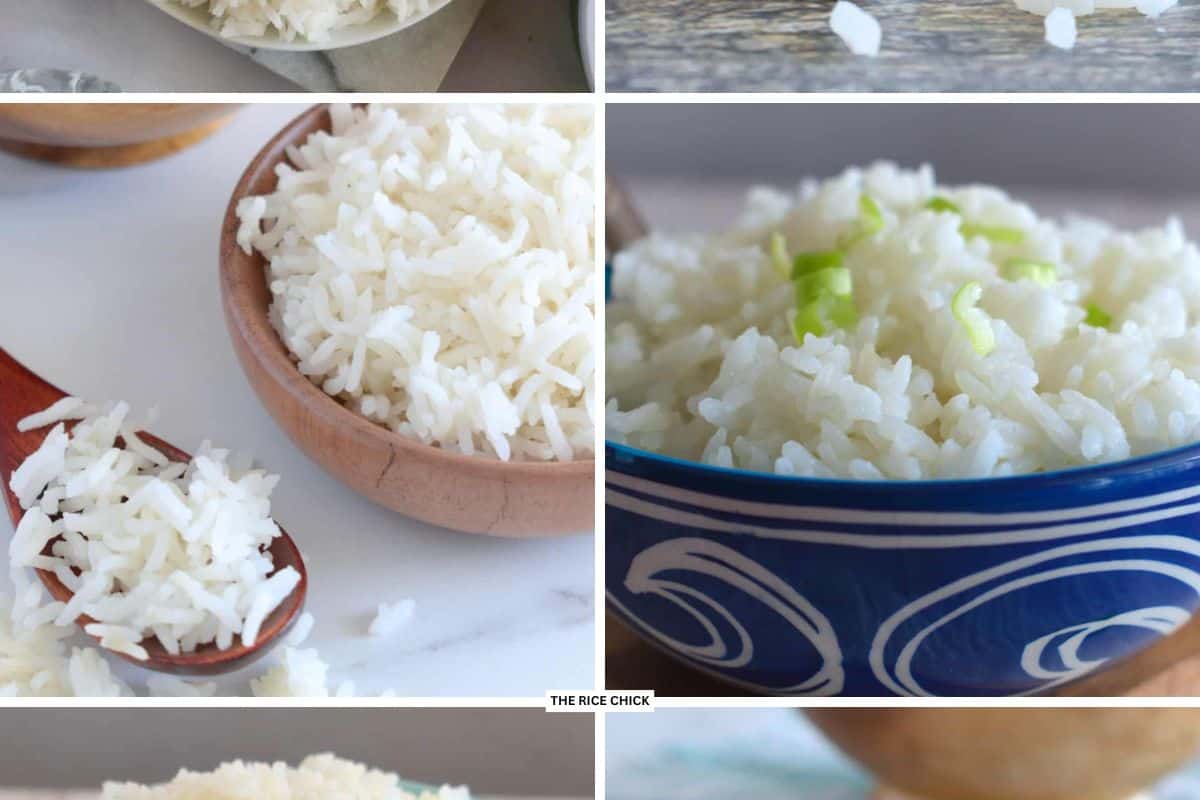
But once cooked, the differences become much clearer. Jasmine rice tends to be softer with a slightly sticky finish, while basmati rice cooks into longer, more separate grains with a lighter texture.
Understanding how each one behaves helps take the guesswork out of everyday cooking.
Instead of hoping a recipe turns out right, you can choose the rice that naturally fits the dish you're making, whether that's something saucy, spiced, or quick and simple.
Jasmine Rice vs Basmati Rice: How they really behave in cooking
Although they look similar uncooked, jasmine and basmati rice respond differently to heat, water, and resting time. These small differences are what shape the final texture on your plate.
Jasmine rice
Jasmine rice is commonly used in Southeast Asian cooking, and it has a naturally softer structure once cooked.
It tends to:
- become slightly sticky as it cooks
- clump together more easily compared to other long grain rice
- release a light floral aroma during cooking
- feel softer and more moist on the palate
Because of this, it works well in meals where the rice is meant to absorb sauces or sit alongside heavily flavoured dishes. It's often used in stir-fries, rice bowls, and everyday simple meals where a softer texture is preferred.

Basmati rice
Basmati rice is more commonly associated with Indian and Middle Eastern cooking, and it behaves very differently in the pot.
It tends to:
- cook into long, separate grains
- stay relatively dry and fluffy
- have a slightly nutty aroma
- hold its structure well even after resting
This makes it a strong choice for dishes where texture matters just as much as flavour. It's commonly used in biryani, pilaf-style dishes, and curries where you want the rice to stay distinct rather than blend into the sauce.

Jasmine Rice vs Basmati Rice in everyday cooking
The difference between these two types really comes down to how they feel once cooked.
Jasmine rice gives a softer, more cohesive bite. It naturally clings slightly, which can make it feel more comforting and less dry on the plate.
Basmati rice, on the other hand, feels lighter. The grains stay separate, which can make dishes feel less heavy and more structured.
Neither one is better overall, they just suit different kinds of meals. Jasmine rice tends to work better when you want everything to come together, while basmati rice is often preferred when you want definition between grains and other ingredients.
If you're building simple weeknight meals, this guide on easy rice recipes for everyday life shows how both types can fit into different cooking styles depending on the texture you want.

Can you substitute jasmine and basmati rice?
You can substitute them in most recipes, but the result will always shift slightly in texture.
If you use jasmine rice instead of basmati, the dish will usually turn out softer and a bit more cohesive. If you use basmati instead of jasmine, the result will be lighter and more separated.
This isn't necessarily a problem, it just means you're changing the feel of the dish rather than following it exactly as intended.
For home cooking, this flexibility is often useful. It allows you to work with what you already have without needing to overthink it.
FAQ
No, they are two different varieties. Jasmine rice is softer and slightly sticky, while basmati rice is longer, drier, and more separated once cooked.
Both can work, but they create different results. Basmati rice gives a drier, more separated texture, while jasmine rice produces a softer, slightly stickier style closer to takeaway versions.
Other Easy Rice Ideas You Might Like:
Stay Connected
Tried one of these rice recipes or found a new favorite? I'd love to hear how it turned out. Leave a comment below and share your tips, swaps, or go-to rice dish.
Save this page on Pinterest so it's easy to find again when you need rice ideas for dinner, meal prep, or special occasions.
Made something delicious? Share your results on Instagram and tag @thericechick so we can see what you created and celebrate your kitchen wins.



Comments
No Comments