
Short grain and long grain rice aren't just different shapes. They behave differently in cooking, changing everything from texture to how the rice feels on the plate.
Jump to:
When you start paying attention to rice types, the most important distinction is usually whether the grain is short or long.
This isn't just a visual difference. Grain length directly affects starch release, texture, and how the rice interacts with other ingredients in a dish.
Short grain rice tends to soften and hold together more, creating a cohesive texture that works well in structured or shaped dishes. Long grain rice cooks into separate, lighter grains that stay fluffy and distinct.
Once you understand this, choosing rice becomes much more intuitive because you start matching texture to purpose rather than guessing.
Short Grain vs Long Grain Rice: how they behave when cooked
The key difference comes down to how much starch is released and how the grains hold their structure.
Short grain rice
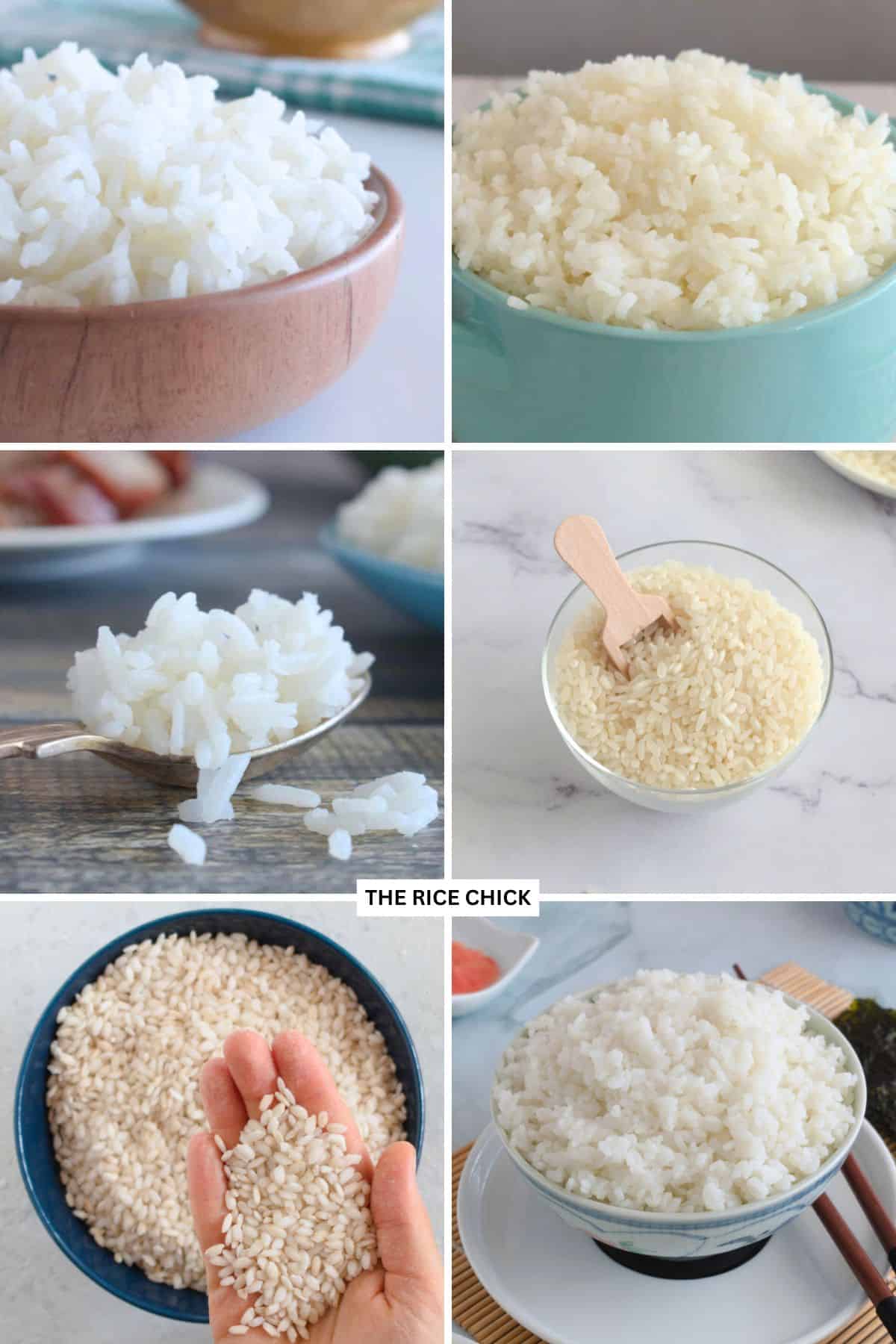
Short grain rice has plump, rounded grains and a higher starch content. When cooked, it naturally becomes softer and more cohesive.
It typically:
- becomes slightly sticky after cooking
- holds together when shaped or pressed
- has a soft, tender bite
- works well in dishes where structure matters
This is why it's often used in recipes where rice needs to stay together, such as sushi-style dishes or rice balls.

Long grain rice
Long grain rice has a slimmer shape and releases less starch during cooking. This results in a lighter, more separated texture.
It typically:
- stays fluffy and separate after cooking
- has a lighter, drier texture
- absorbs sauces without clumping
- works well as a base or side dish
This makes it ideal for everyday meals like curries, stir-fries, and rice bowls where rice supports the dish rather than defining the texture.
For example, long grain rice is commonly used in dishes like jasmine rice on the stovetop or basmati rice on the stovetop, where fluffiness is the main goal.

Short Grain vs Long Grain Rice in everyday cooking
The simplest way to think about the difference is structure versus separation.
Short grain rice creates a softer, more cohesive texture where grains naturally stick together. It feels more unified when eaten and works well in dishes that rely on shape or compactness.
Long grain rice creates a lighter texture with distinct grains. It feels less dense on the plate and works well when you want rice to stay separate from sauces or other ingredients.
In everyday cooking, this usually comes down to preference:
- short grain rice for softer, more stickier dishes
- long grain rice for lighter, more separate textures
If you're exploring simple rice-based meals, this guide on easy rice recipes for everyday life shows how rice texture can change the feel of a dish more than the ingredients themselves.
Can you substitute short grain and long grain rice?
You can substitute them, but the texture of the final dish will change.
Using short grain rice instead of long grain rice will create a softer, stickier result that may feel heavier in dishes meant to be light and separate.
Using long grain rice instead of short grain rice will create a looser texture that may not hold together as well in dishes that rely on cohesion.
They are both usable, but they are not interchangeable when texture is important.
Other Easy Rice Ideas You Might Like:
Stay Connected
Tried one of these rice recipes or found a new favorite? I'd love to hear how it turned out. Leave a comment below and share your tips, swaps, or go-to rice dish.
Save this page on Pinterest so it's easy to find again when you need rice ideas for dinner, meal prep, or special occasions.
Made something delicious? Share your results on Instagram and tag @thericechick so we can see what you created and celebrate your kitchen wins.


Comments
No Comments