
If your fried rice turns out sticky, soggy, or clumpy instead of light and fluffy, the rice is usually the reason why.
Choosing the right type of rice, and preparing it properly, can completely change the texture of homemade fried rice. This is where this guide for the best rice for fried rice comes in handy.
Jump to:
A lot of people think good fried rice comes down to sauces or cooking technique, but the rice itself matters just as much. Some types of rice stay firm and separate in the pan, while others become soft and heavy once they are stir-fried.
That is why homemade fried rice can sometimes feel mushy or packed together, even when you follow the recipe carefully.
The good news is that once you understand which rice works best for fried rice, it becomes much easier to get that restaurant-style texture at home with separate grains and crispy edges.
If you are still learning about rice textures and cooking methods, this guide on how to choose the right type of rice can also help you choose the best rice for different dishes.
What Is the Best Rice for Fried Rice?
The best rice for fried rice is usually day-old long grain rice that has had time to cool and dry out slightly before cooking.
For most people, the top choices are:
- Jasmine rice: slightly soft and fragrant while still staying fluffy when chilled
- Basmati rice: drier texture with very separate grains
- Long grain white rice: reliable and easy to find
Many people prefer day-old basmati rice for fried rice because it stays especially light and separate in the pan. Others prefer jasmine rice for its softer texture and classic takeout-style flavour.
The most important thing is that the rice is not freshly cooked. Fresh rice holds too much moisture, which makes fried rice sticky instead of fluffy.
Freshly cooked rice can still work in some situations, but chilled rice almost always gives better results.

Why Day-Old Rice Works Better for Fried Rice
One of the biggest differences between restaurant-style fried rice and homemade fried rice is moisture.
Freshly cooked rice is still soft and full of steam, so when it hits a hot pan, the grains tend to stick together and become mushy. Day-old rice is firmer because it has had time to cool and dry out slightly in the fridge.
This helps:
- keep the grains separate while frying
- create a fluffier texture
- prevent soggy fried rice
- make it easier for the rice to absorb flavour without becoming heavy
This is why many fried rice recipes recommend using leftover rice instead of freshly cooked rice.
Jasmine Rice vs Basmati Rice for Fried Rice
Both jasmine rice for fried rice and basmati rice for fried rice are popular choices, but they create slightly different results.
Jasmine rice
Jasmine rice has a softer texture and a mild floral aroma. When chilled properly, it stays fluffy while still giving fried rice a slightly tender bite.
It is commonly used in:
- Thai-style fried rice
- takeaway-style fried rice
- egg fried rice
- chicken fried rice
Basmati rice
Basmati rice is lighter and drier with longer grains that stay very separate after cooking.
Many people prefer basmati rice because:
- it feels less heavy
- the grains do not clump as easily
- it creates a fluffier fried rice texture
Basmati works especially well if you enjoy fried rice with crisp edges and less softness overall.
For a better understanding of how different rice varieties behave in recipes, you may also like this guide to types of rice.

Rice Types to Avoid for Fried Rice
Not every type of rice works well for fried rice. Some varieties hold too much moisture or become too sticky once they are stir-fried.
Short grain rice
Short grain rice becomes soft and sticky after cooking, which makes it harder to get the light texture most people want in fried rice.
While it works well for sushi and rice bowls, it can quickly turn fried rice dense or clumped together.
Sushi rice
Sushi rice for fried rice is usually not the best choice because it is designed to stick together. The extra starch creates a heavier texture once fried.
If sushi rice is all you have, chilling it overnight can help slightly, but it still will not stay as separate as long grain rice.
You can learn more about the differences between sticky and fluffy rice in this guide on what is sushi rice wrapped in and Japanese rice styles.
Freshly cooked rice
Even the best rice variety can become mushy if it is used straight after cooking.
Fresh rice:
- releases more steam into the pan
- breaks apart more easily
- absorbs oil and sauce too quickly
For better texture, spread cooked rice onto a tray and cool it before refrigerating.
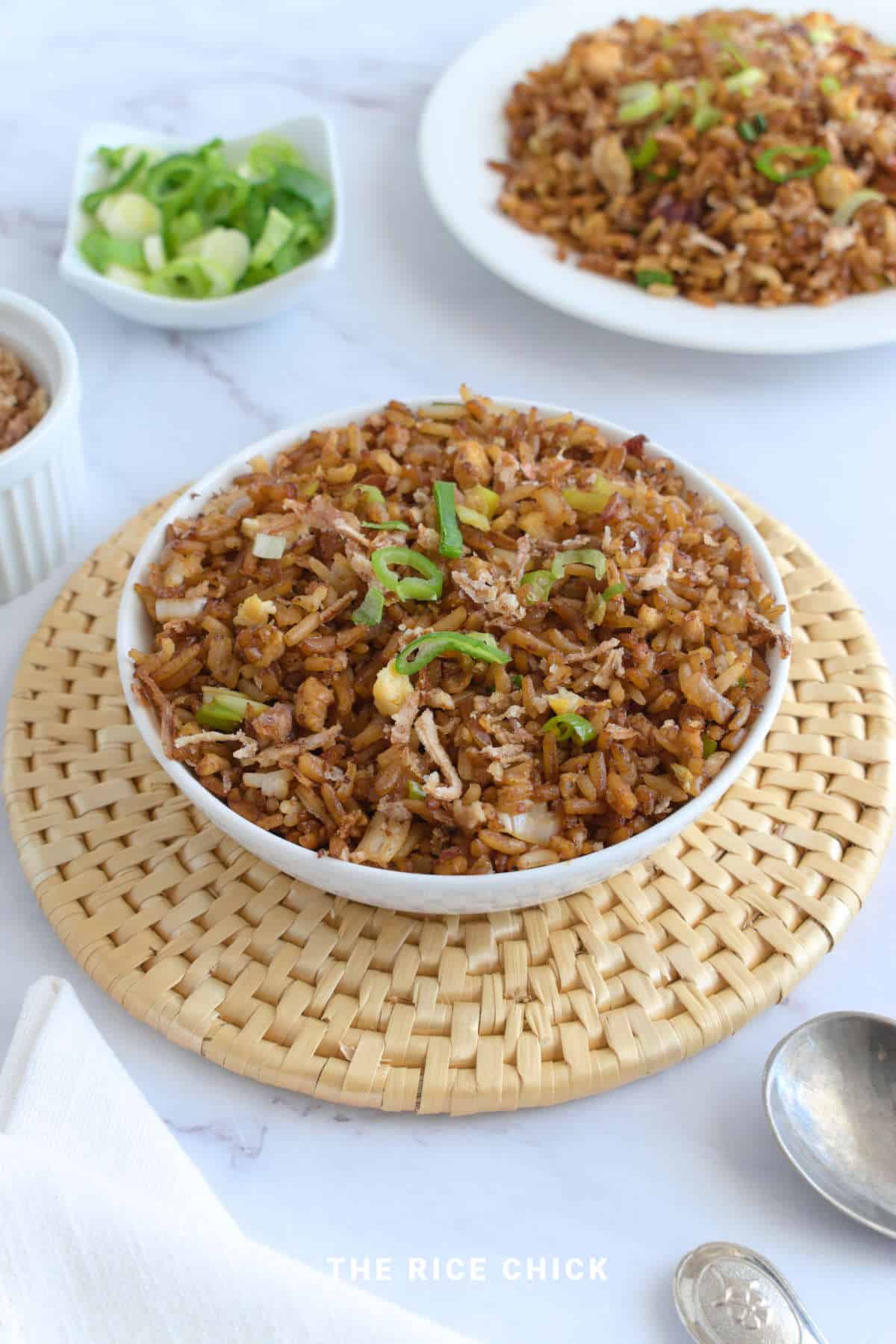
Tips for Making Better Fried Rice at Home
Using the best rice for fried rice makes a big difference, but a few small cooking habits can improve the texture even more.
Cool the rice before frying
Warm rice traps steam, which creates soggy fried rice. Letting the rice cool completely before cooking helps the grains stay firm and separate.
For best results
- refrigerate rice for a few hours or overnight
- break apart clumps before adding to the pan
- avoid stacking hot rice in deep containers
Use high heat
Fried rice cooks best in a very hot pan. High heat helps remove extra moisture quickly and gives the rice a slightly crisp texture instead of steaming it.
Do not overcrowd the pan
Too much rice in the pan lowers the heat and traps steam, which can make fried rice soft.
Cooking in smaller batches often gives better texture.
Add sauces gradually
Adding too much sauce at once can soak the rice and undo the fluffy texture you worked to create.
Start with a small amount, toss the rice well, then add more only if needed.
If you want ideas for flavour combinations, these rice sauces can help you change up homemade fried rice without making it too heavy.
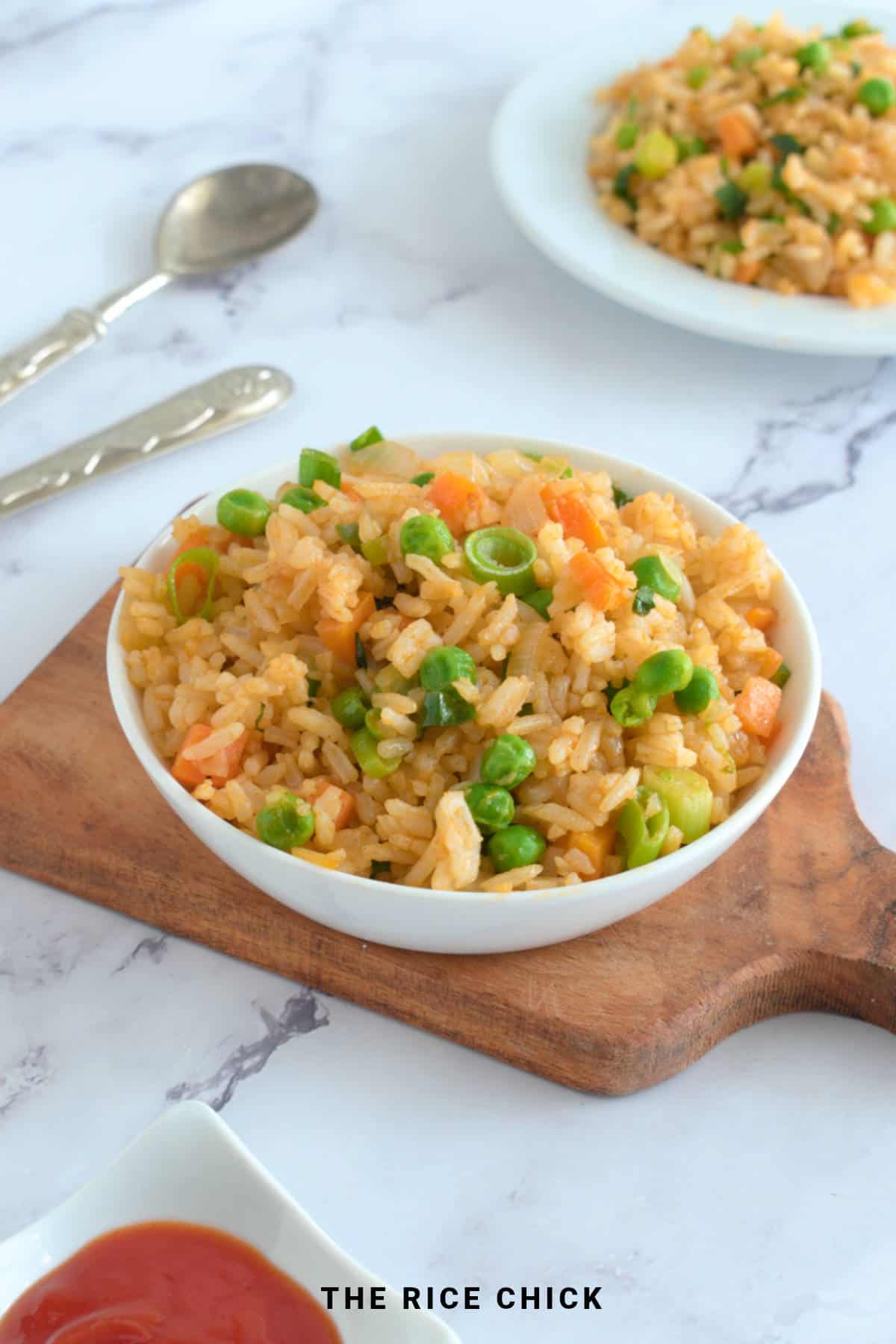
Best Recipes to Make With Fried Rice
Once you have the right rice and texture, fried rice becomes one of the easiest meals to customise with ingredients you already have at home.
These recipes work especially well with chilled day-old rice for fried rice:
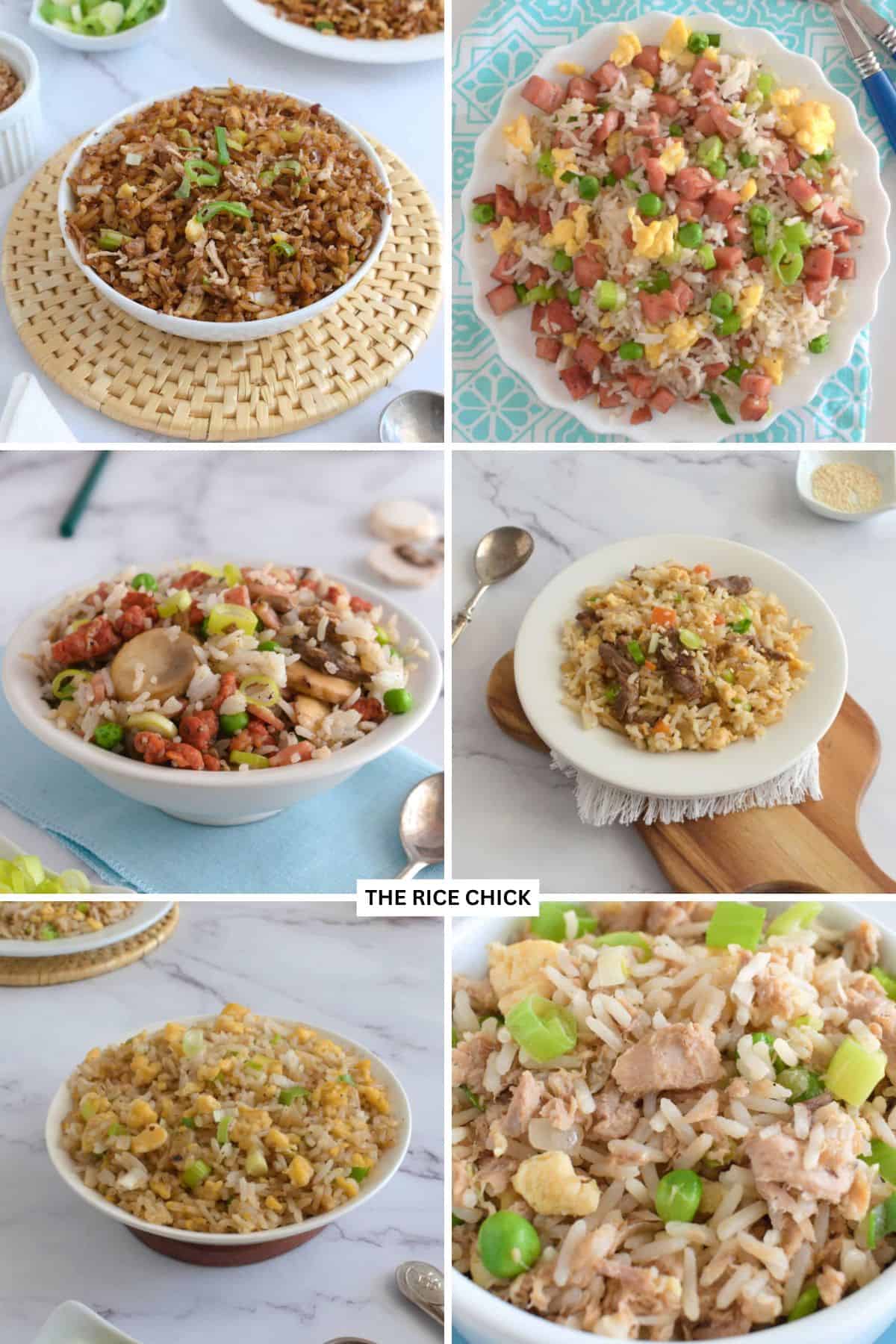
- How To Make Egg Fried Rice: simple, fast, and great for beginners
- Garlic Fried Rice Recipe: packed with flavour using basic pantry ingredients
- Spam Fried Rice Recipe: salty, crispy, and perfect for leftover rice
- Tuna Fried Rice: quick protein option for easy lunches or dinners
- Chorizo Fried Rice: bold flavour with crispy rice edges
If you enjoy easy weeknight meals, you may also like these fried rice recipes for more variations and meal ideas.
FAQ
Yes, but it usually will not give the same texture as chilled rice. Freshly cooked rice contains more moisture, which can make fried rice soft or sticky instead of fluffy.
Mushy fried rice is usually caused by too much moisture. This can happen when using fresh rice, overcrowding the pan, or adding too much sauce.
Both work well, but they create different textures. Jasmine rice for fried rice gives a slightly softer, more classic takeaway-style texture.
Basmati rice for fried rice stays drier and more separate. The best option comes down to personal preference.
Yes. Cooked rice freezes well and can be used later for fried rice once thawed.
For best results: cool the rice before freezing, store it in portions, and break apart clumps before frying.
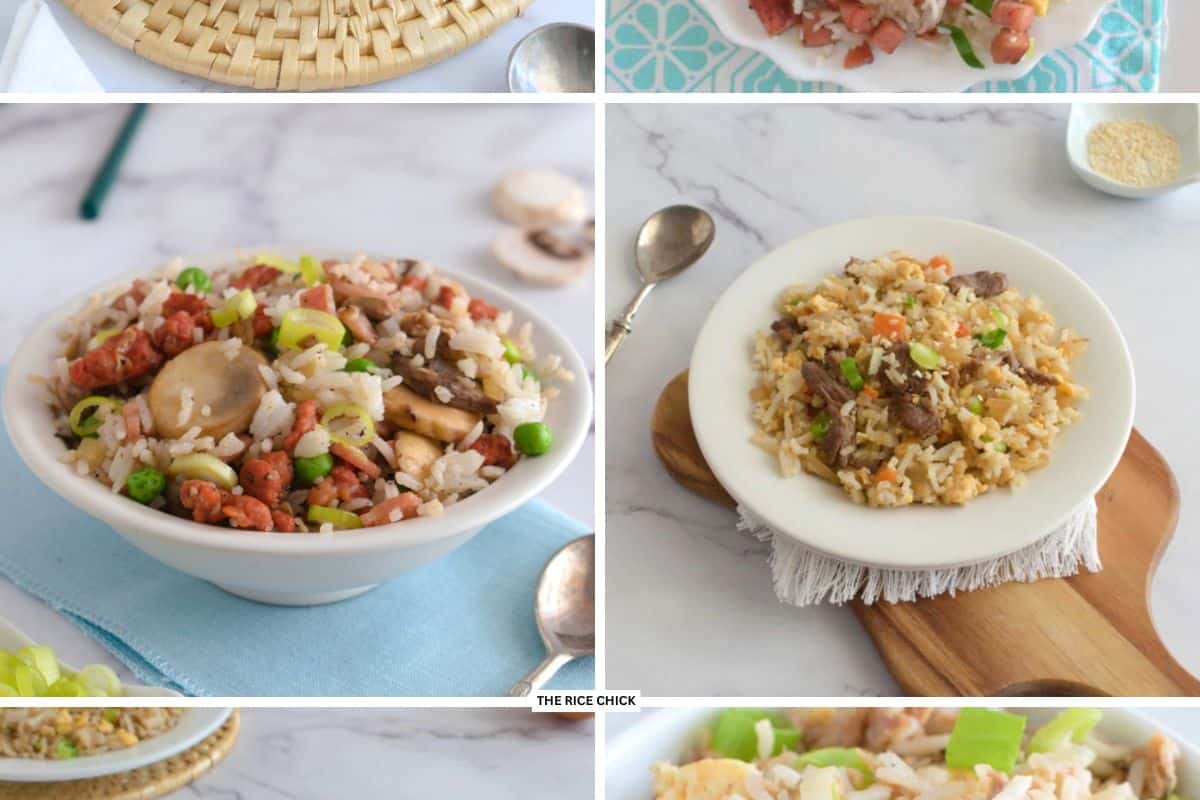
Other Easy Rice Ideas You Might Like:
Stay Connected
Tried one of these rice recipes or found a new favorite? I'd love to hear how it turned out. Leave a comment below and share your tips, swaps, or go-to rice dish.
Save this page on Pinterest so it's easy to find again when you need rice ideas for dinner, meal prep, or special occasions.
Made something delicious? Share your results on Instagram and tag @thericechick so we can see what you created and celebrate your kitchen wins.


Comments
No Comments